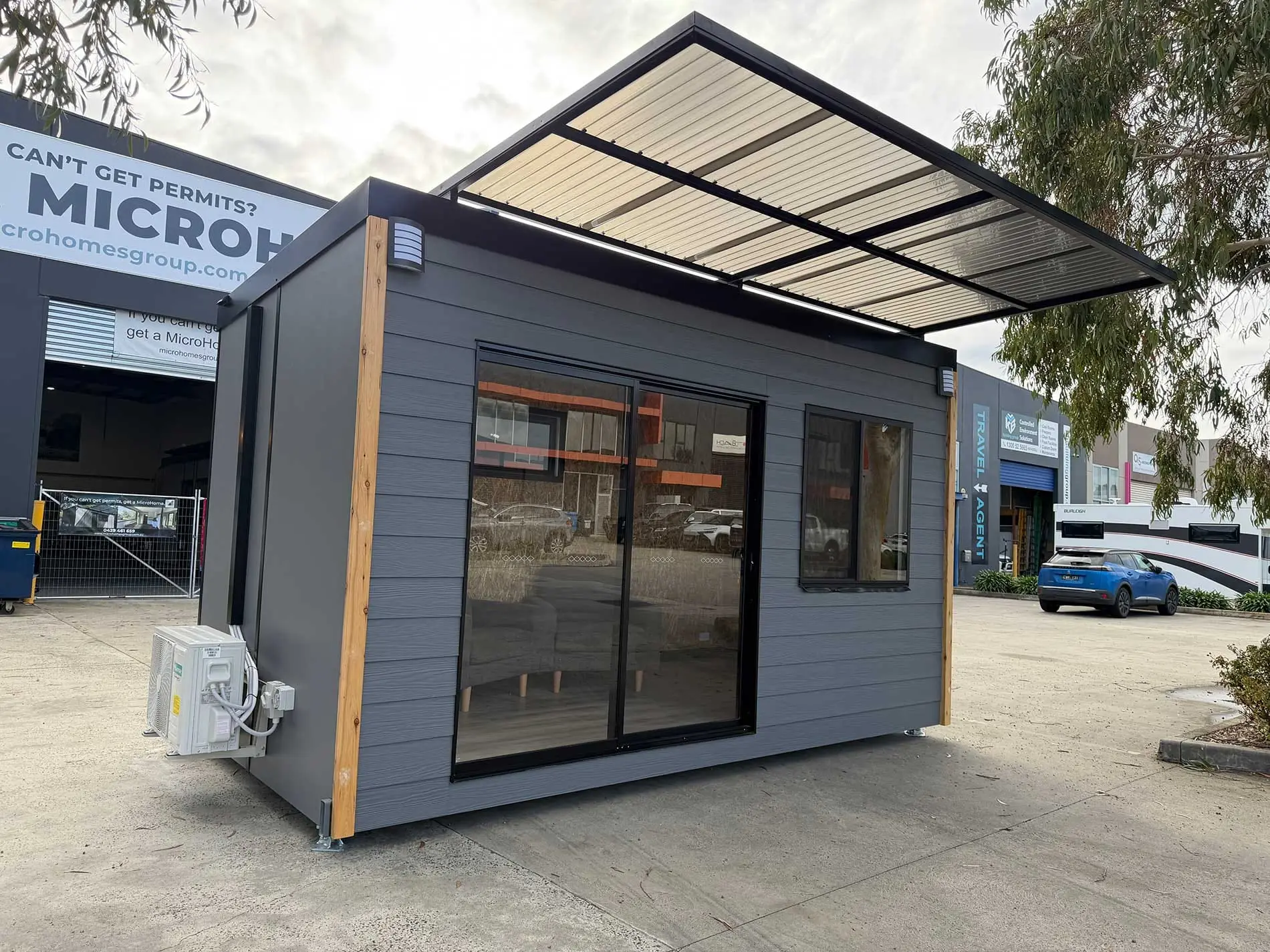
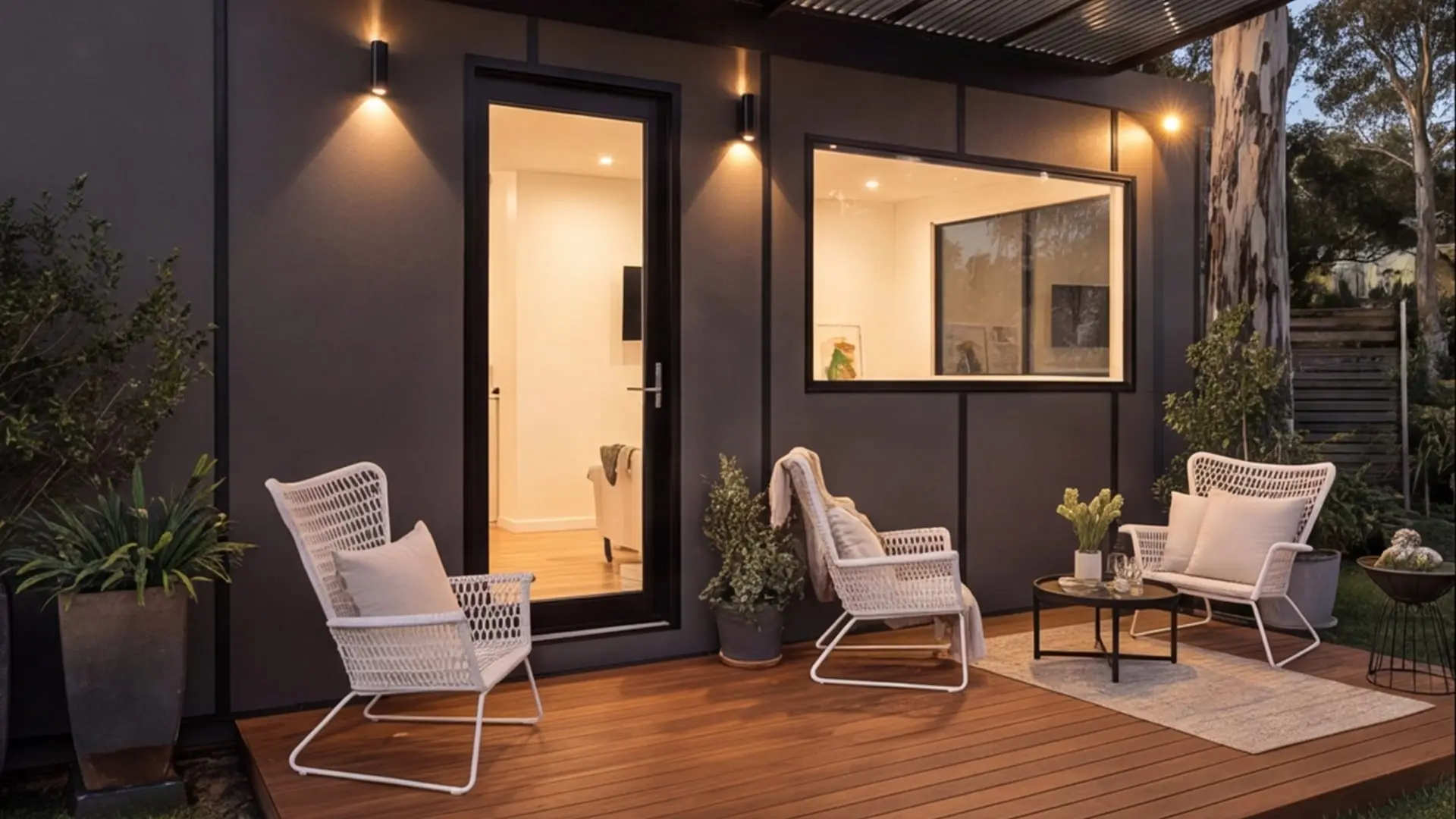
Using MicroHomes as granny flats or rental investments
A backyard MicroHome can house family or earn an income — and it takes 12 weeks to build once your build starts, not a year.
Most people who look at a MicroHome are trying to solve one of two problems: they need more space, or they want their property to earn its keep. A MicroHome does both — and fast.
More room for family
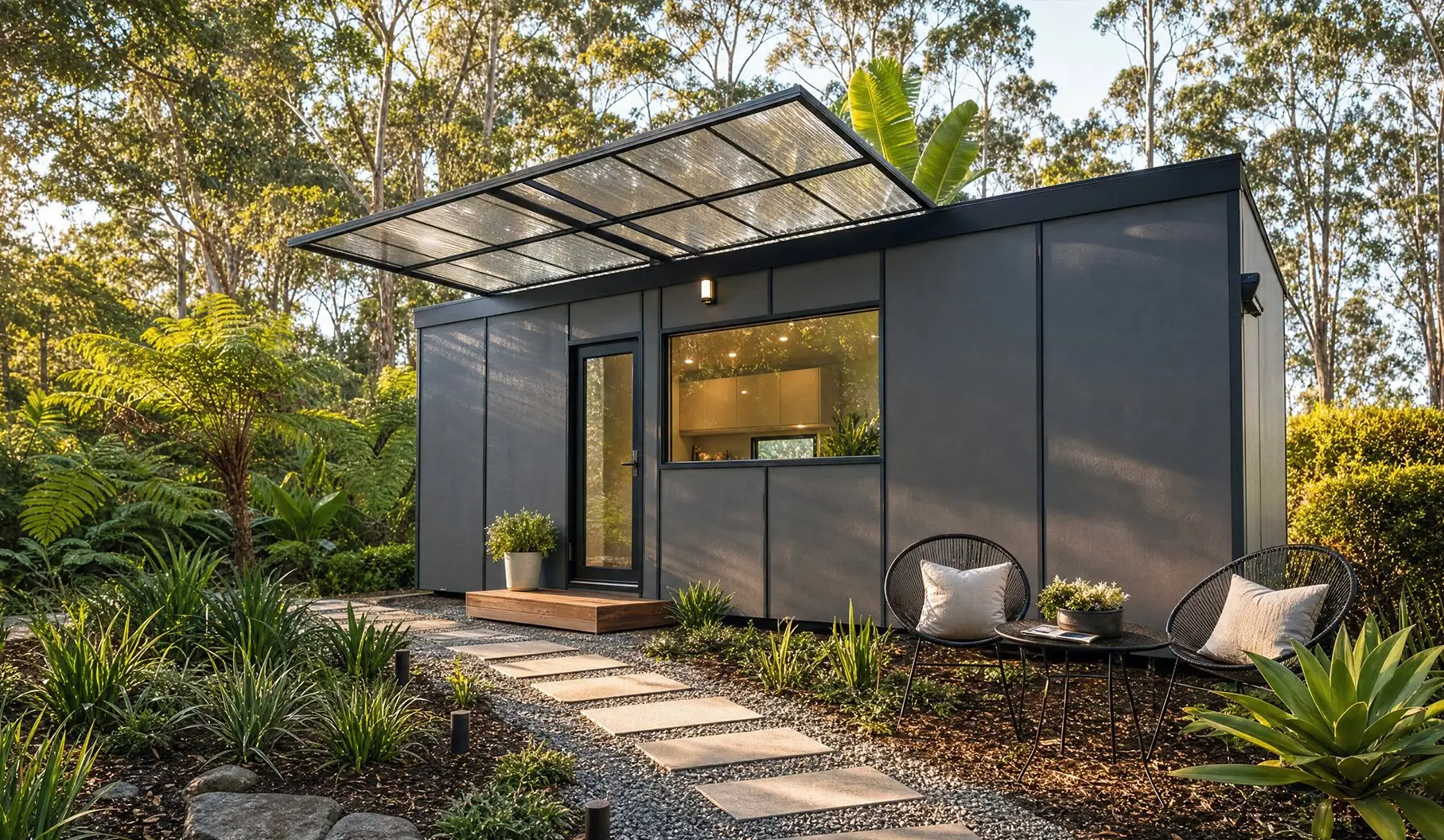
As a granny flat, a MicroHome gives ageing parents or a teenager their own private, self-contained space — a real bedroom, bathroom and kitchen — without the cost and disruption of a permanent extension. And because it’s movable, it isn’t a one-way decision.
An income stream in the backyard
As a short- or long-term rental, a self-contained MicroHome with its own entrance is a genuine, rentable dwelling. Set it up for short stays, or as a long-term tenancy — on land you already own. What either would actually earn depends entirely on your market, your costs and your occupancy, so treat any figure as indicative and model it with your accountant rather than taking a builder’s word for it.
Twelve weeks to build, not a year
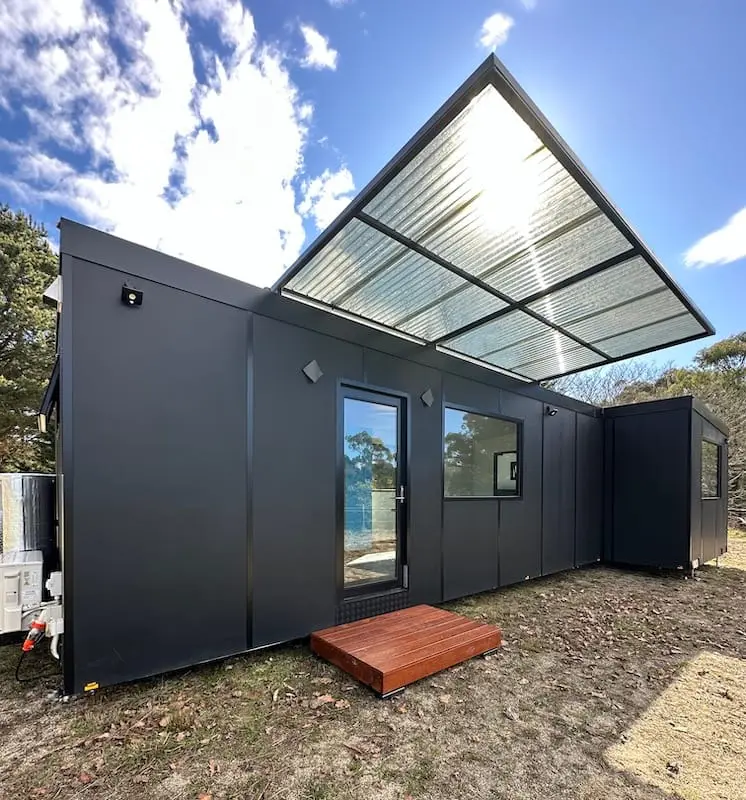
The reason it works is speed. A MicroHome takes 12 weeks to build from the day your build starts — plus however long the build queue is when you sign, which varies with demand — versus the many months a traditional granny flat or extension can take. And because it’s built on a registered chassis, it can often avoid the building permit a fixed build needs — though whether that holds depends on your council and zone, so it has to be checked for your block before you count on it. How long you can live in one, and whether it can be a primary residence, also varies by council.
Same land, more from it.