Answers, ideas and the occasional strong opinion.
Permits, pricing, design and the thinking behind the 3.2m difference — straight from the team who builds them.
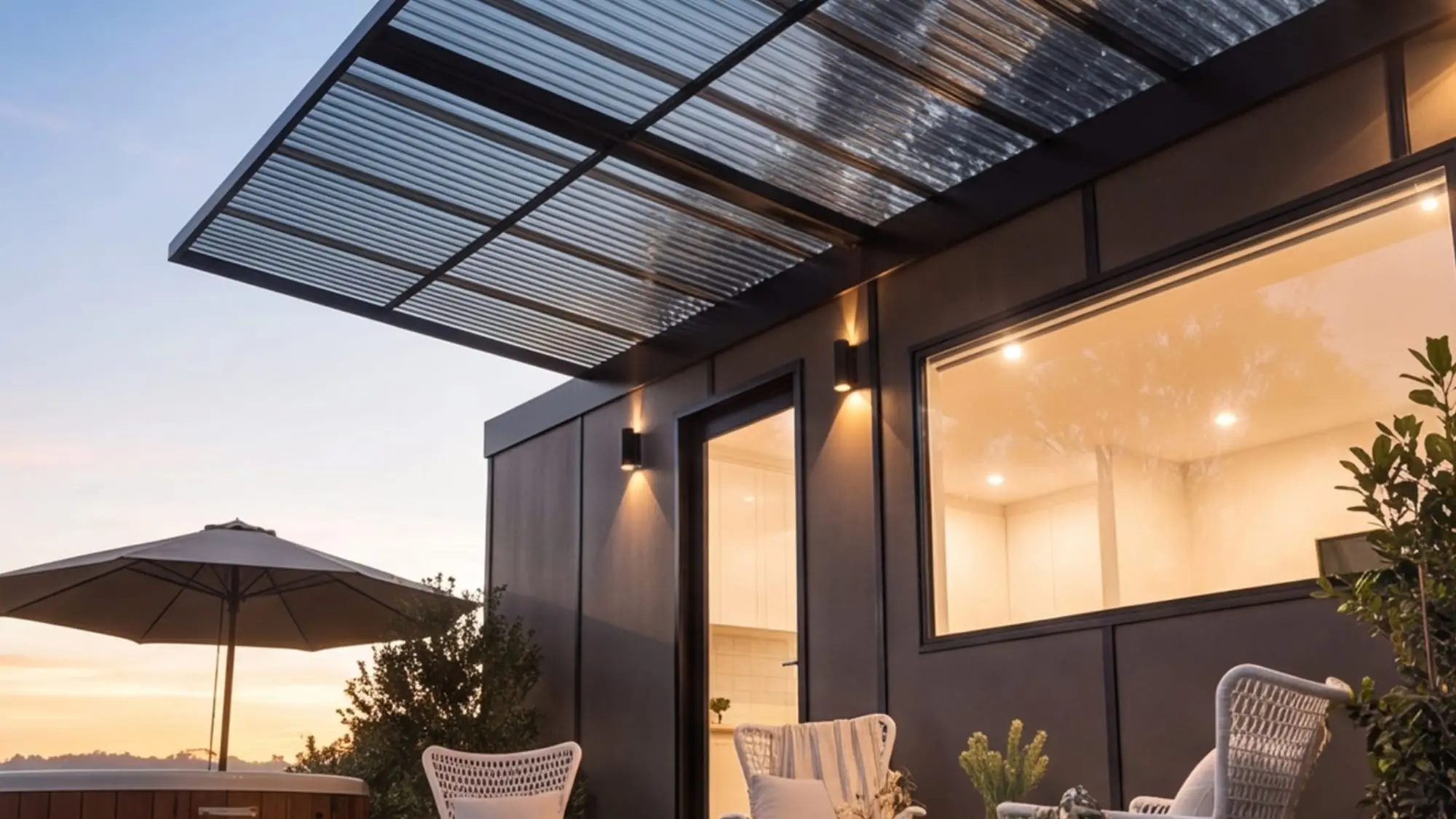
Do you need a permit to live in a MicroHome?
It's the first question almost everyone asks. The honest answer: it depends on your council and how you plan to use it — here's how it actually works.
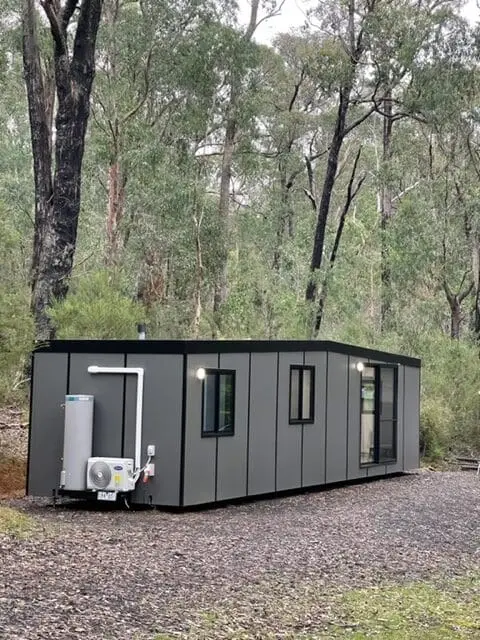
BAL 29 tiny homes: what the level does not tell you
Learn what BAL 29 means, how it relates to ember attack and radiant heat, and what to verify when placing a tiny home in a bushfire-prone area.
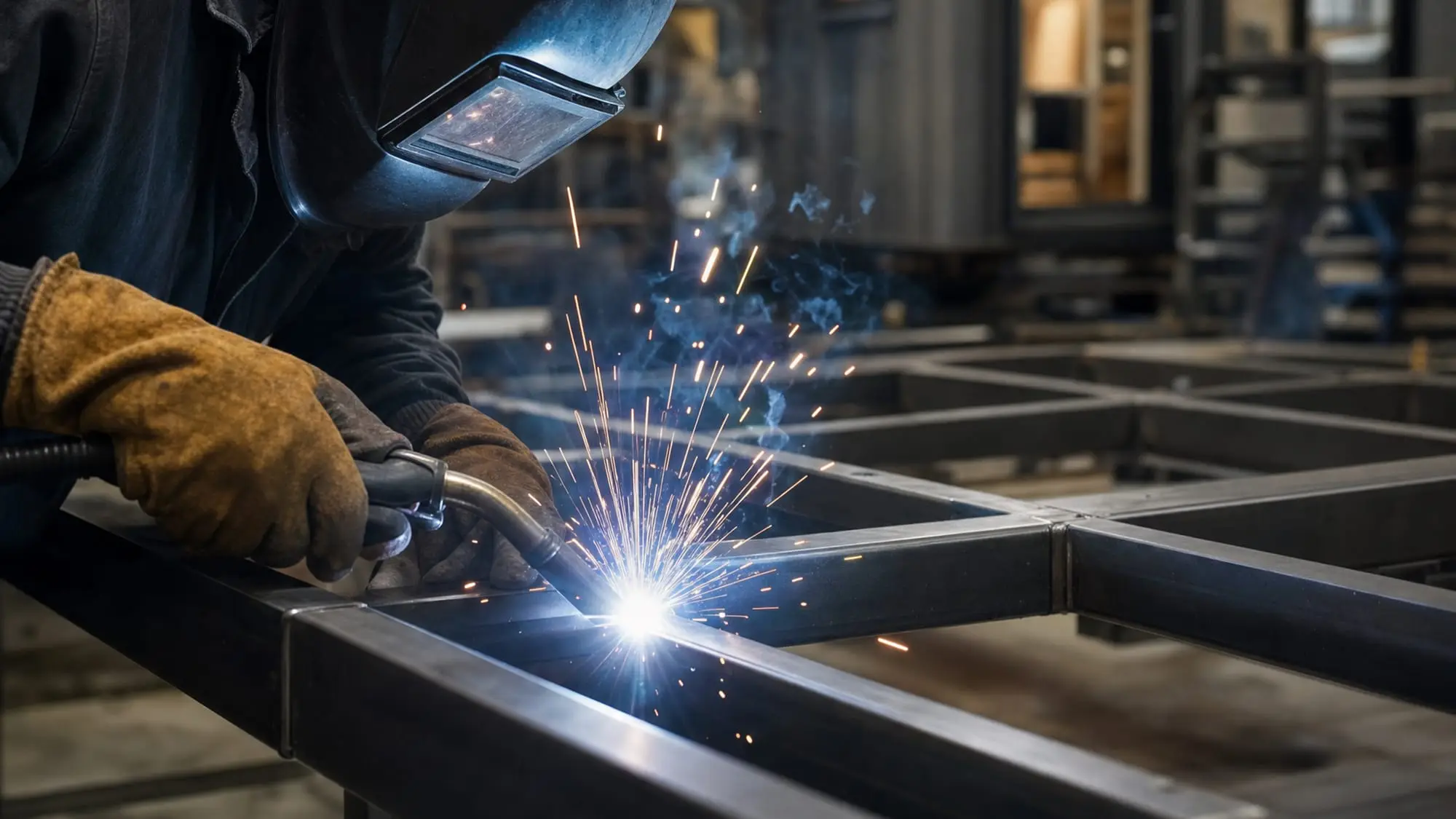
Buying a tiny home in Melbourne: 12 checks before you pay a deposit
A practical checklist for Victorian tiny-home buyers covering the builder, approvals, chassis, price, site access, services, warranty and handover.
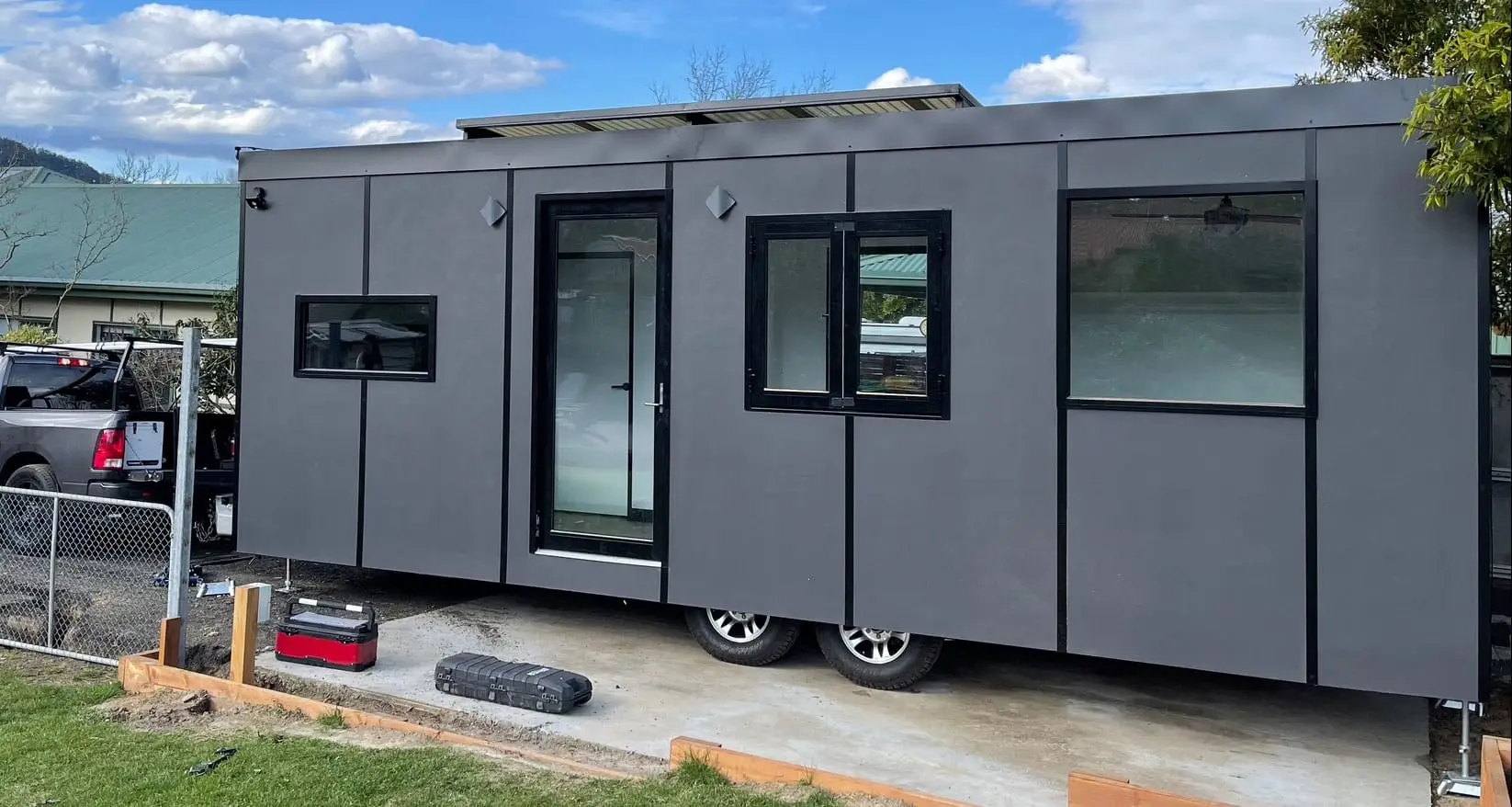
Caravan vs granny flat in Victoria: which pathway fits your property?
Compare a fixed small second dwelling with a registered caravan or movable home in Victoria, including approvals, permanence, services and relocation.
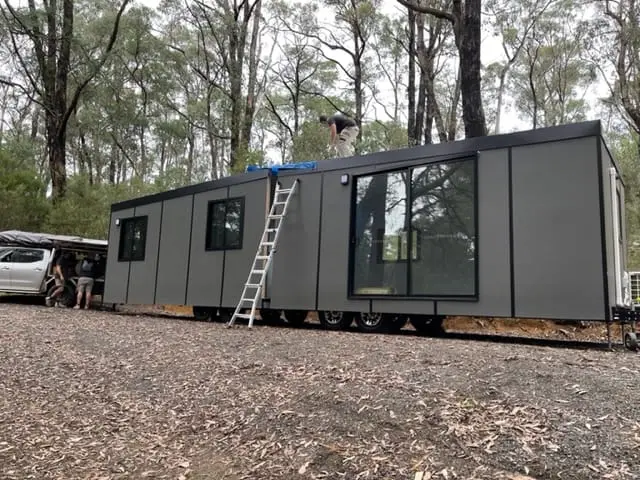
Granny flat permit refused in Victoria: practical next steps
Understand why a Victorian granny-flat proposal may be refused, what to ask the council, and when to redesign, review or consider a different housing pathway.
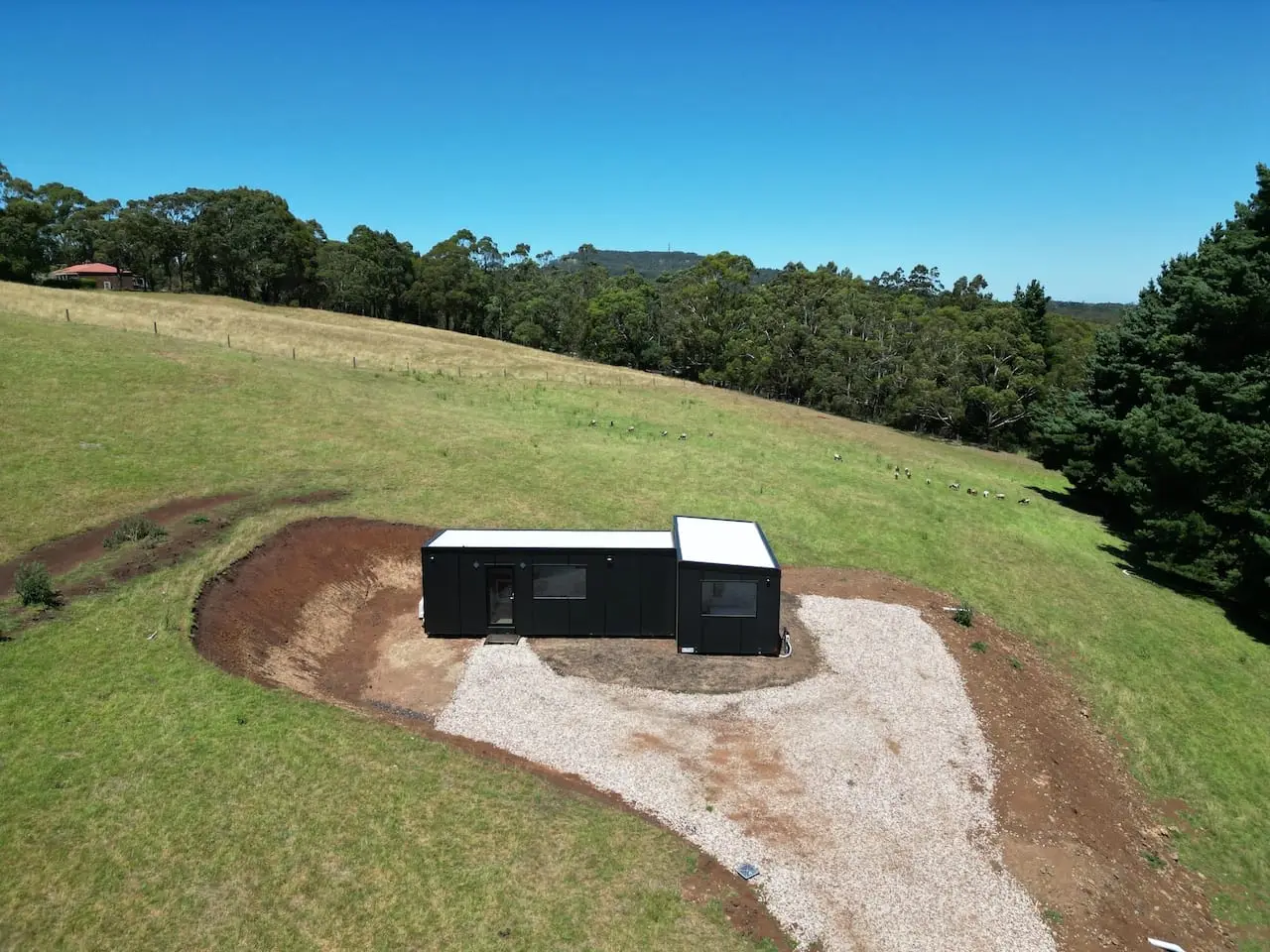
Off-grid tiny home in Victoria: systems to size before you buy
Plan solar, batteries, water, wastewater, heating, cooling and backup for an off-grid tiny home in Victoria with this practical sizing checklist.
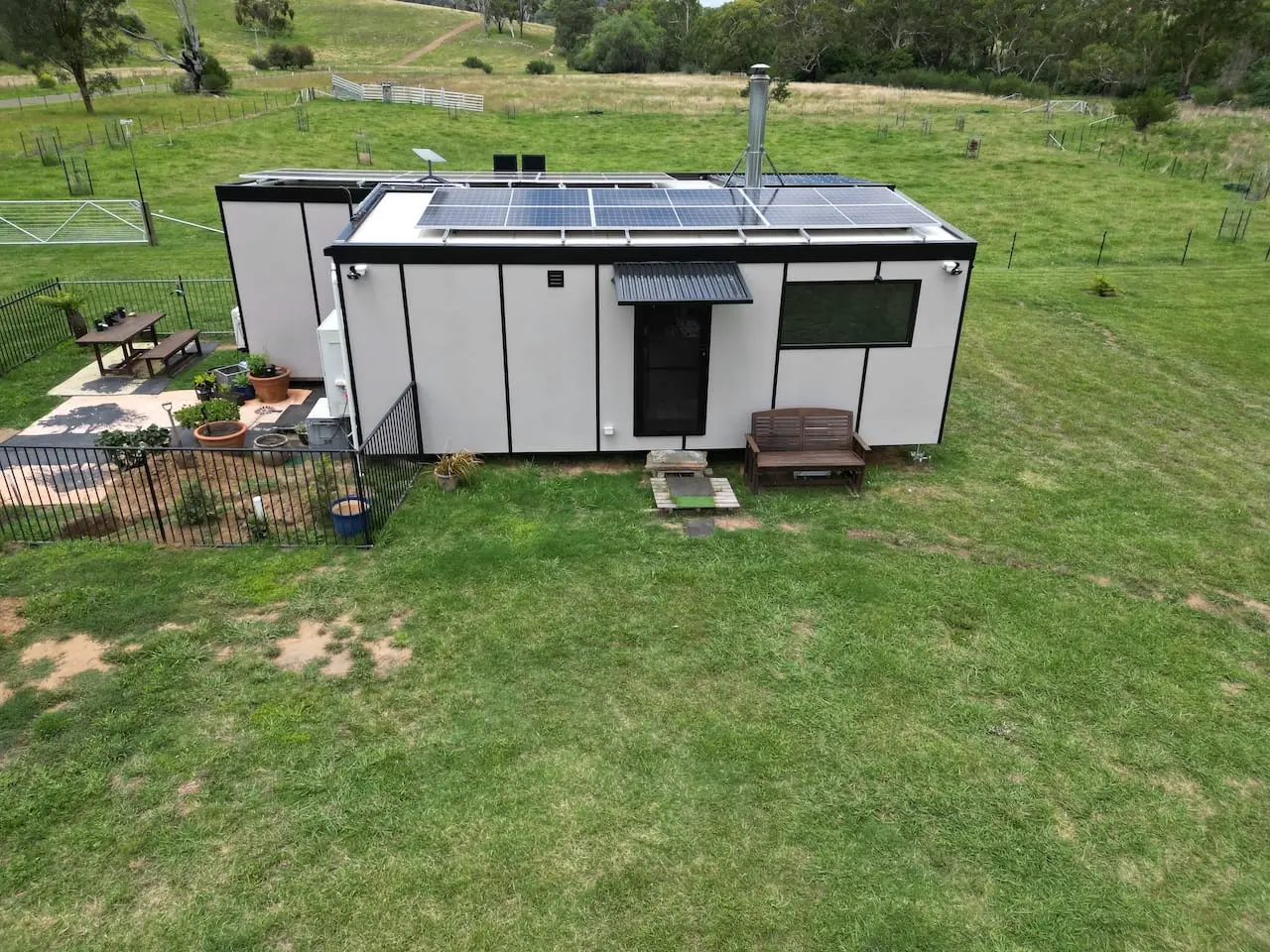
Tiny home council rules in Victoria: what to check before you buy
Understand how Victoria treats small second homes, caravans and movable dwellings, and the questions to ask your council before buying a tiny home.
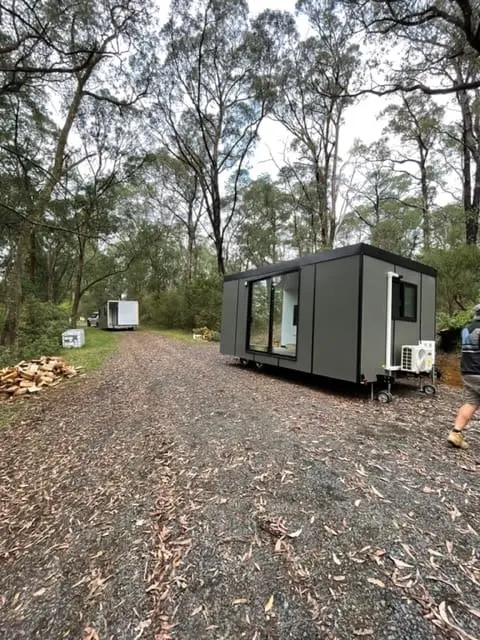
Tiny home delivery and site access checklist
Prepare for tiny-home delivery: route width, gates, turns, trees, overhead services, slope, ground conditions, final placement and utilities.
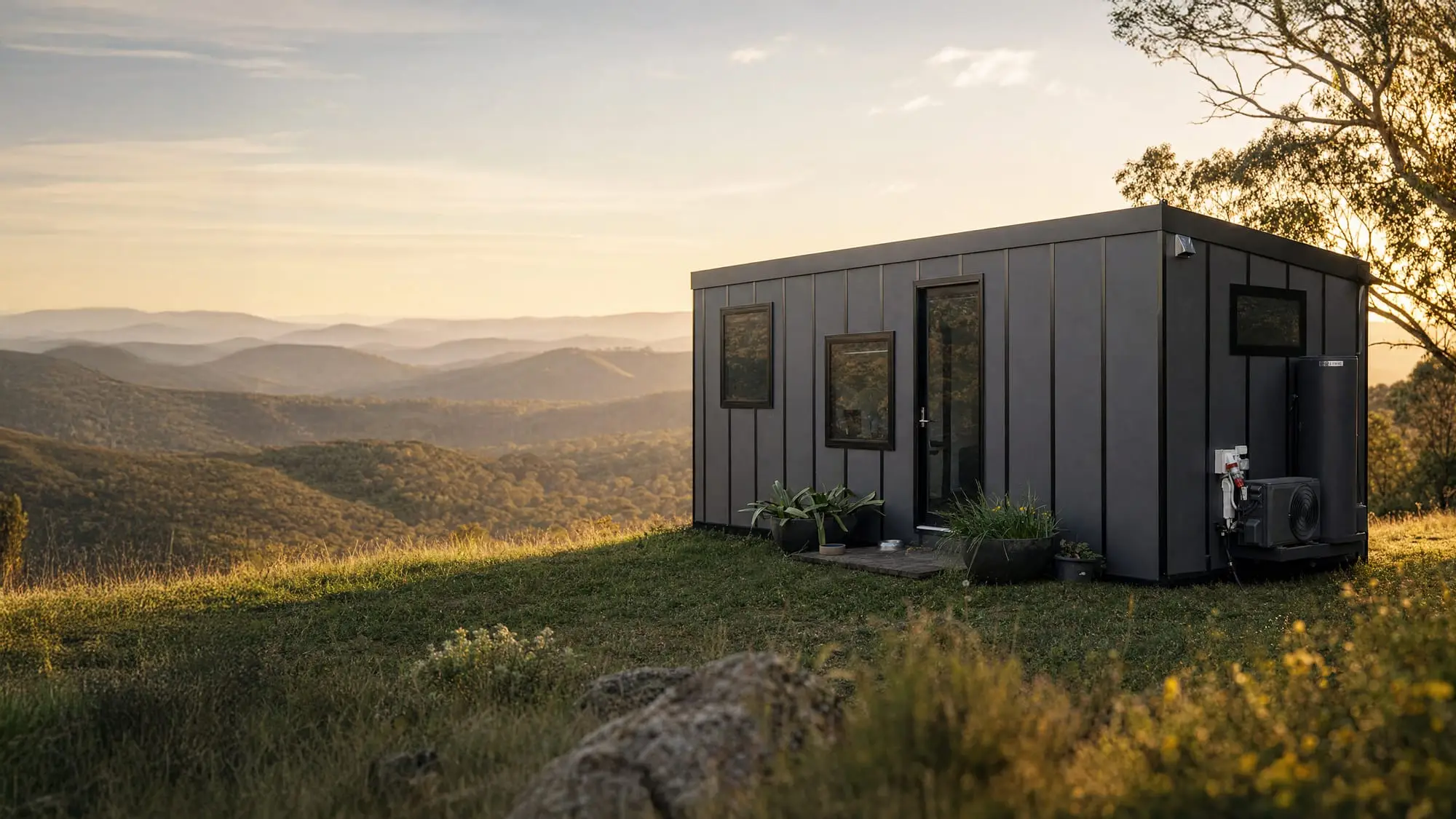
A tiny home for an ageing parent: site, access and independence checklist
Plan a backyard home for an ageing parent with a practical checklist covering privacy, access, bathroom safety, services, council questions and future use.
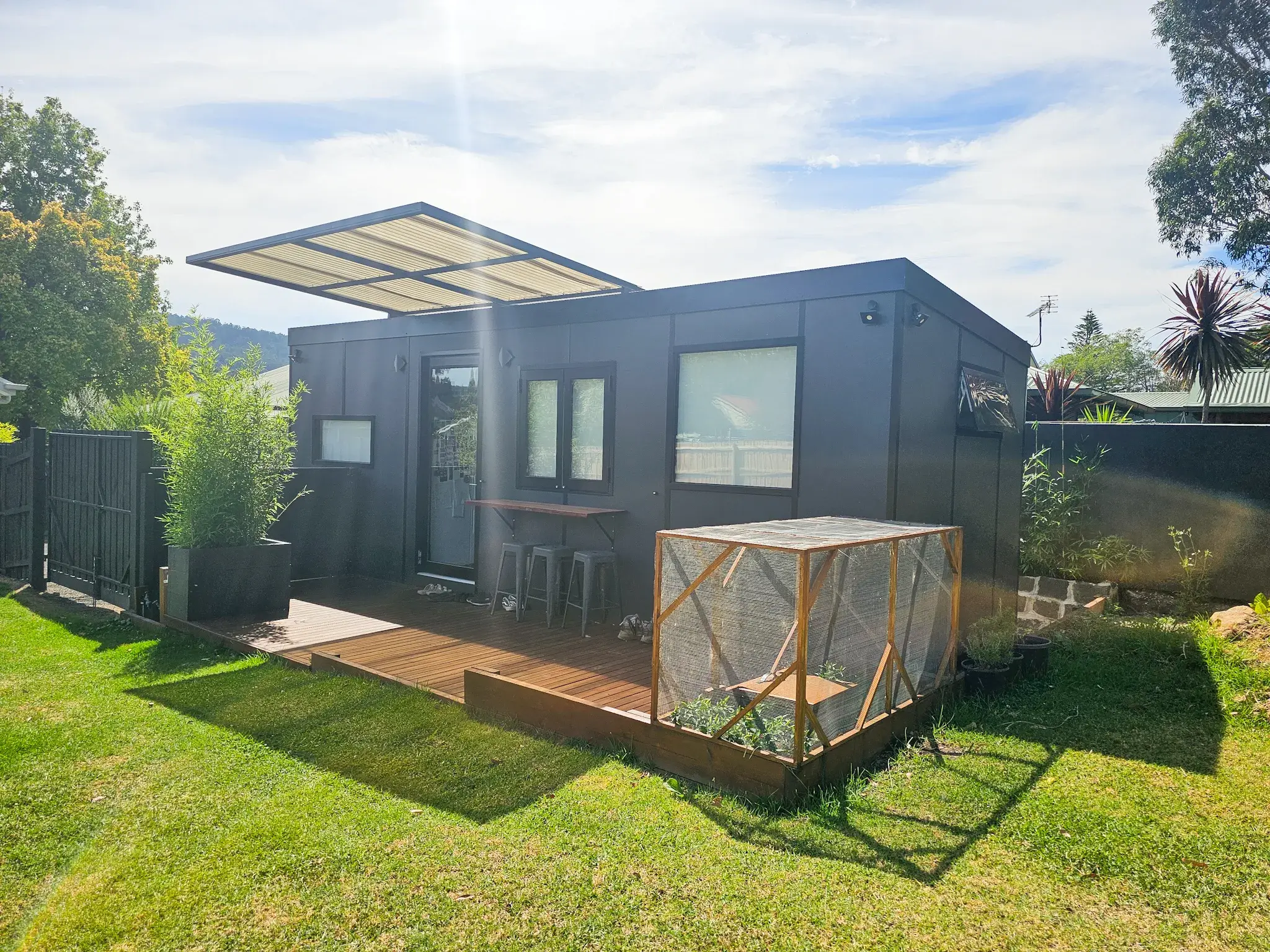
MicroHomes owner reviews: what happened after delivery day
Read what MicroHomes owners say about build quality, delivery, difficult sites and day-to-day living, in their own words from their public Google reviews.
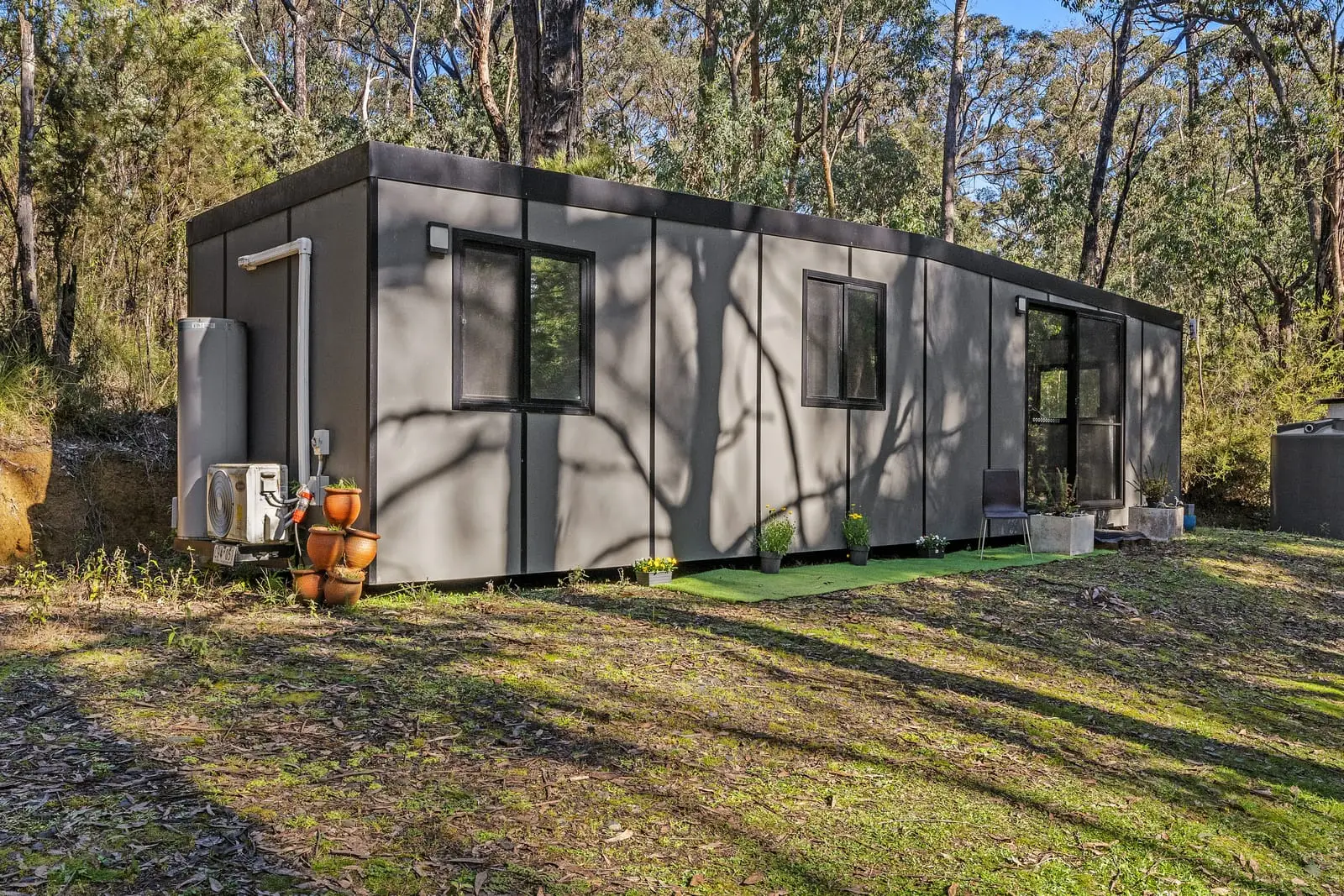
How much does a tiny home cost in Victoria?
See current MicroHomes starting prices and the delivery, installation, service and site costs to include in a realistic Victorian tiny-home budget.
The step-by-step process of creating your MicroHome
What actually happens between your first phone call and the day your MicroHome is craned into place — including the two steps most people don't see coming.
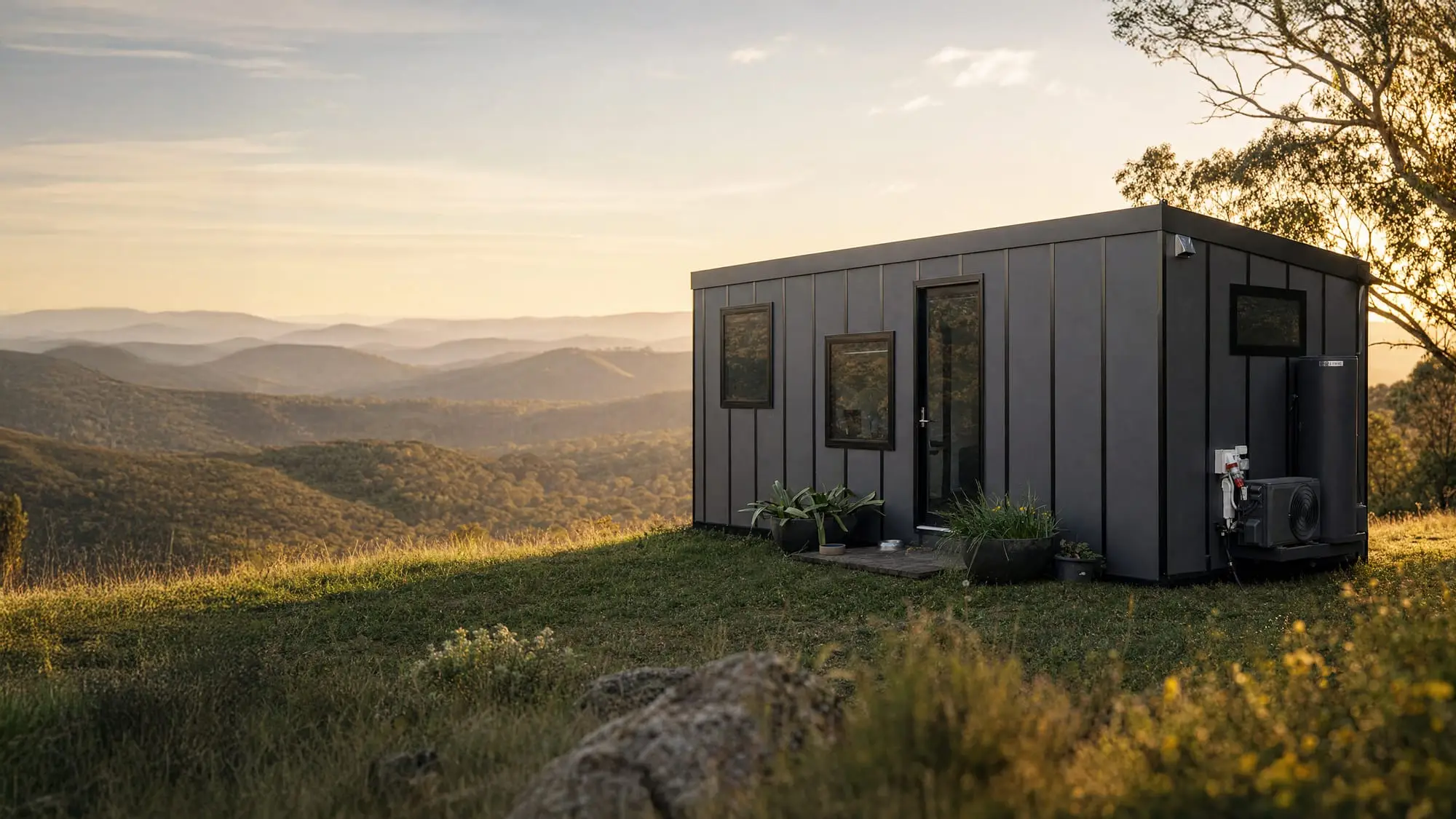
How much does a MicroHome cost in Australia?
A straight answer on pricing — what's included, what changes the number, and where the range starts.
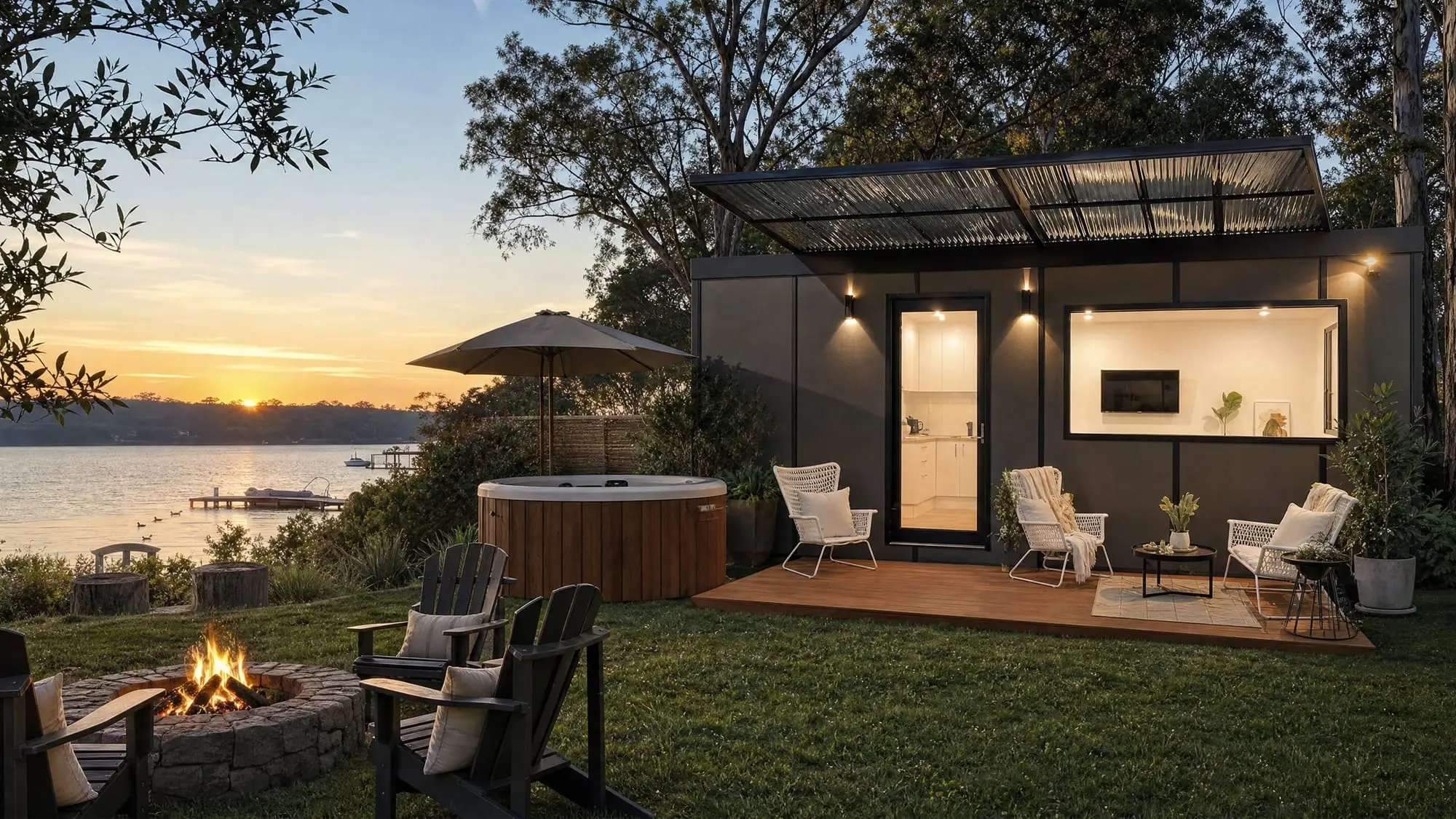
Why we built a 3.2m-wide 'tiny home'
Standard tiny houses are 2.4m wide. We went to 3.2m — and that 800mm changes what the space can be.
What is a MicroHome?
Not a caravan. Not a tiny house. Here's what actually makes a MicroHome different — and who they're for.
How does installation work?
From factory to your backyard — how a finished MicroHome actually gets delivered and set up on your block.
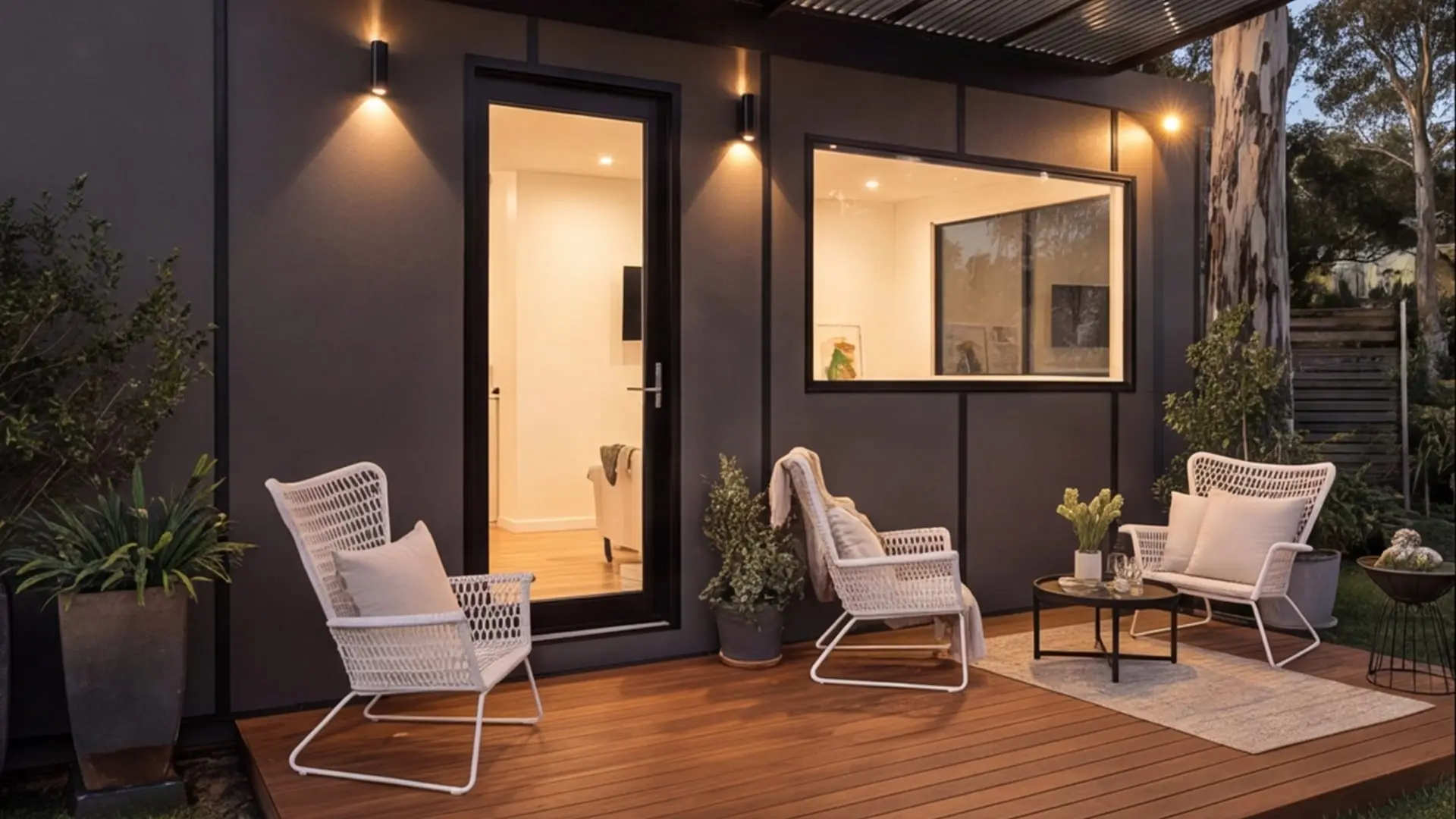
Using MicroHomes as granny flats or rental investments
A backyard MicroHome can house family or earn an income — and it takes 12 weeks to build once your build starts, not a year.
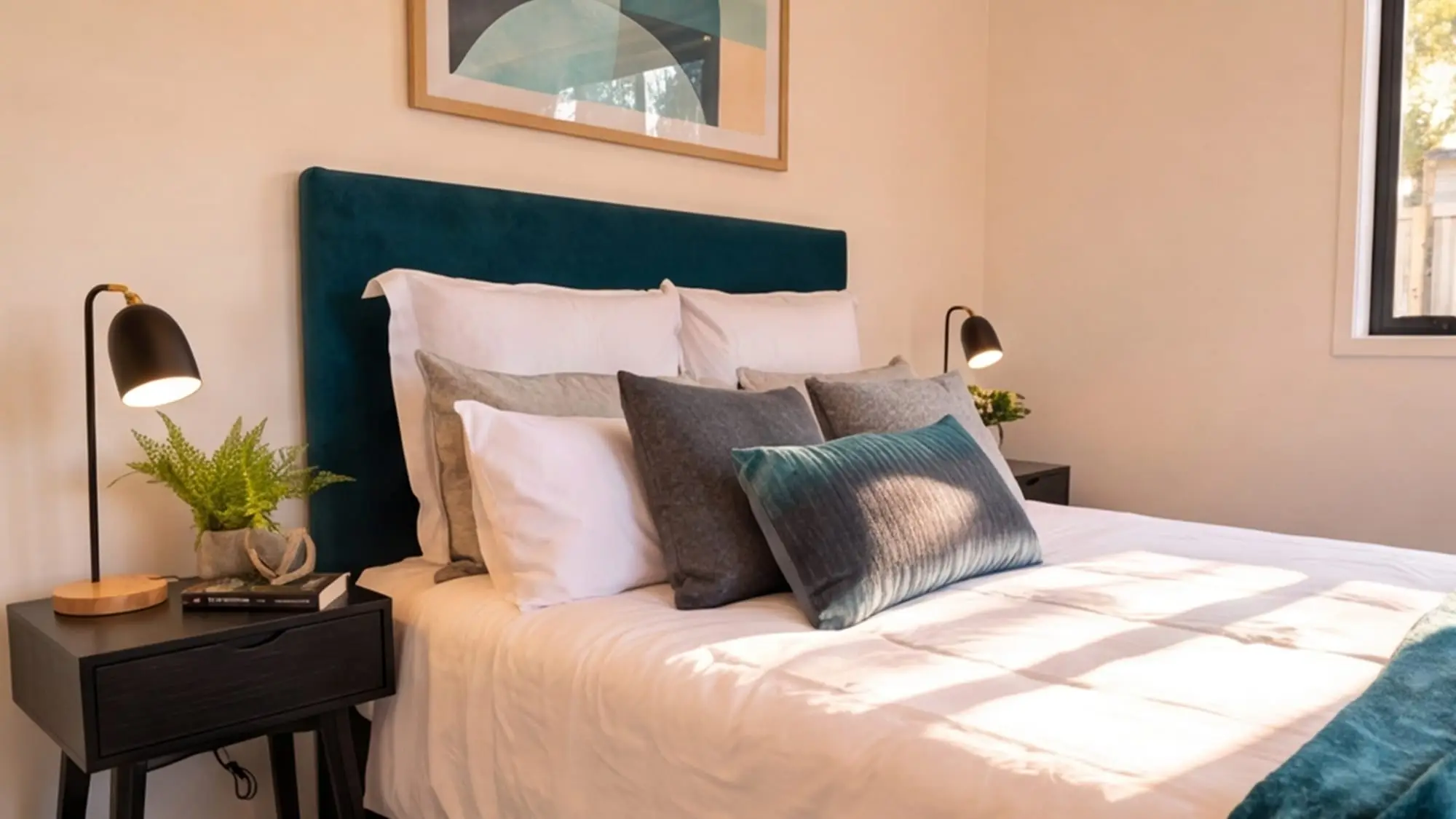
3 ways a MicroHome will transform your life
You don't need to move to a bigger house. Sometimes you just need to use the land you already have.
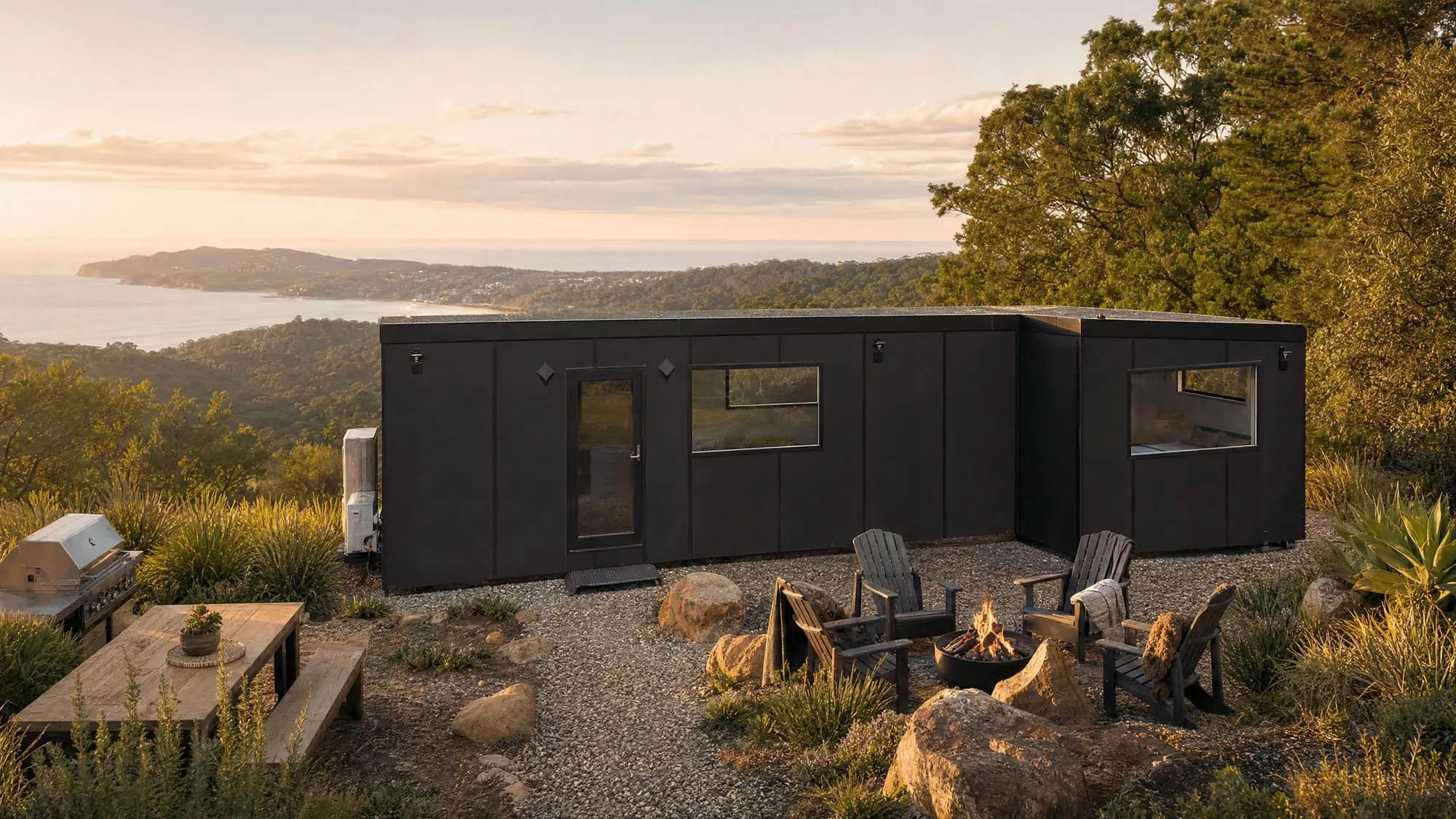
MicroHomes vs tiny homes as a granny flat or investment
They look similar and cost similarly. The differences that matter are width, safety, insurance and fire rating.
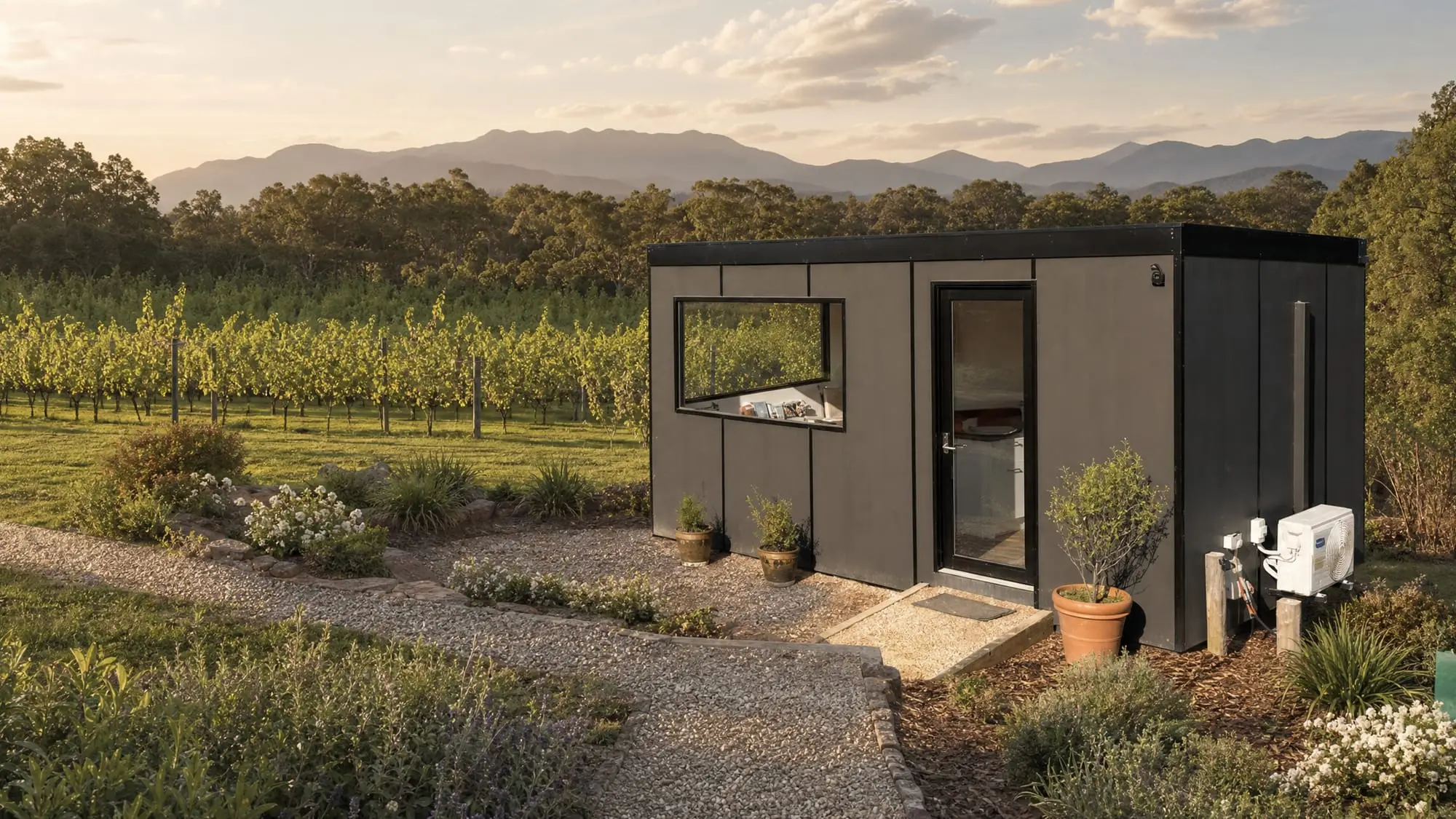
How much is a granny flat in Melbourne, Victoria?
Traditional granny flats run $140k–$190k and take the better part of a year. Here's how a MicroHome compares.
The flaws of tiny-home design
MicroHomes director Hayden Le Page spoke with 3AW about the safety problems hiding in an unregulated tiny-home market.
House extension ideas: why a modular extension is best
Modular extensions go up in a fraction of the time, for up to a third less — here's why the numbers work.