Can you legally live in a tiny home full-time in Australia?
The honest answer
The honest answer is: sometimes yes, sometimes with conditions, and it depends heavily on your council and your specific situation.
Anyone who gives you a flat "no permit needed" is selling you the same line that's burned a lot of buyers in this category. We'd rather give you the real shape of it, even though it's a longer answer and a harder sell.
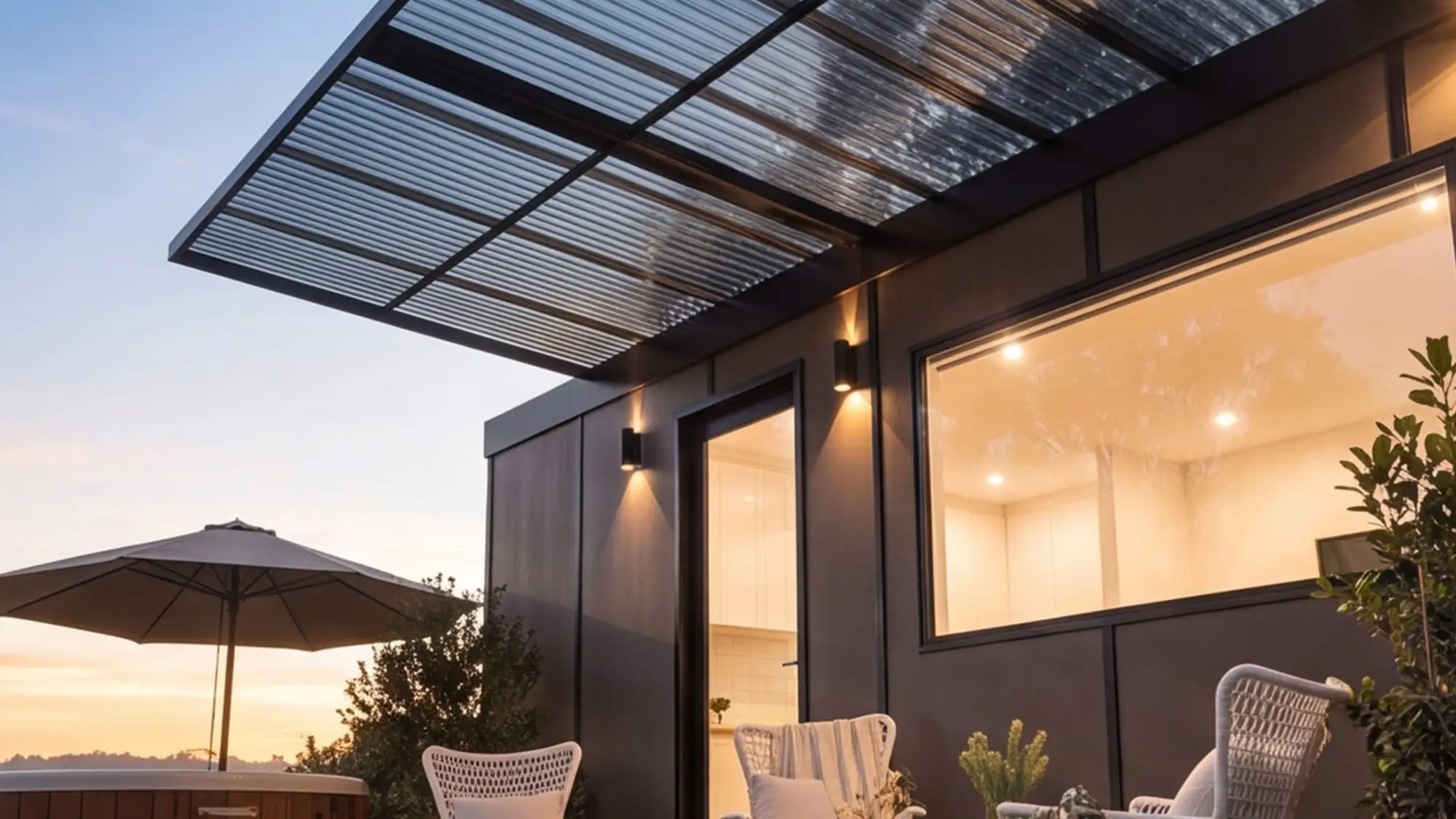
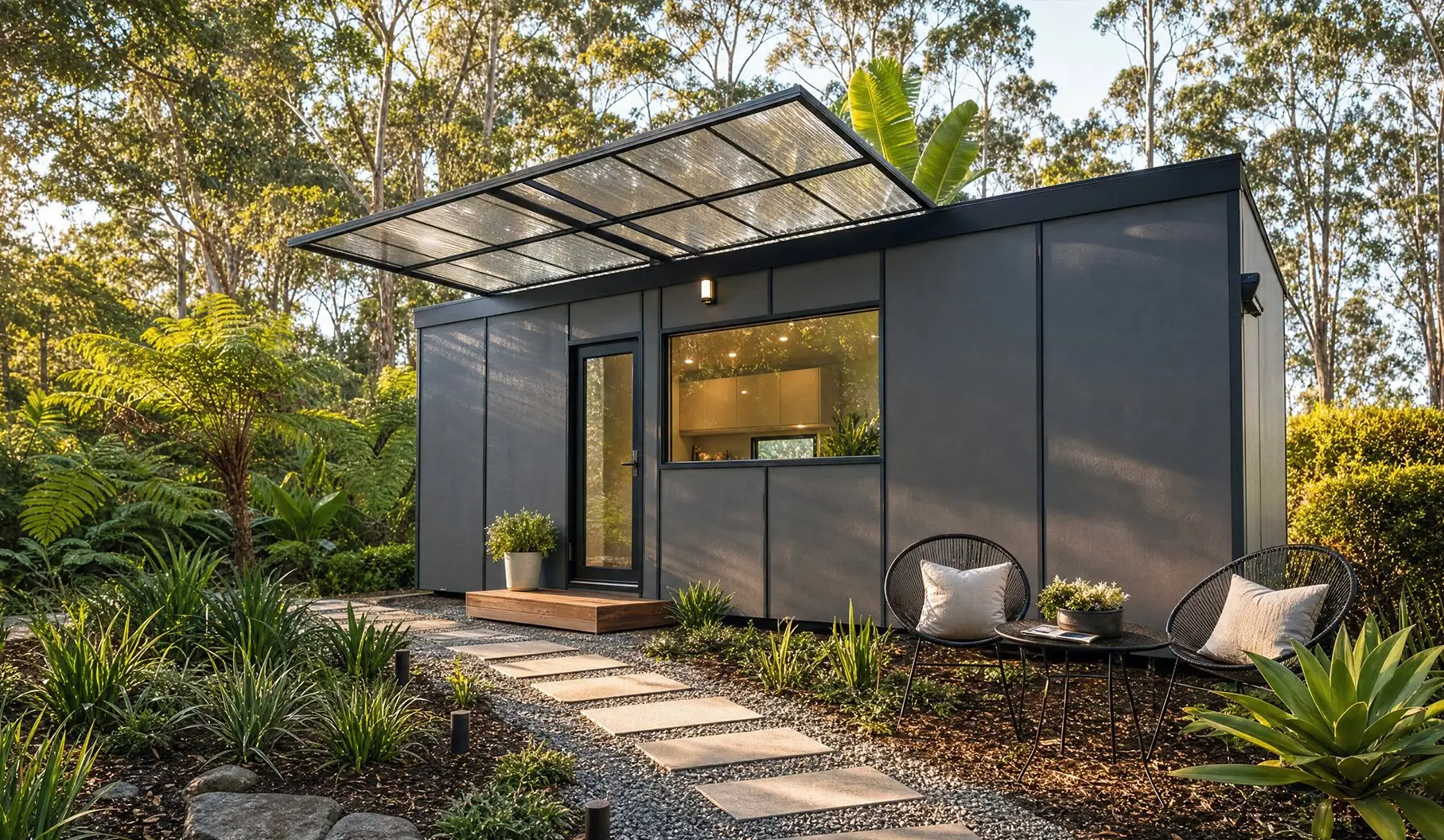
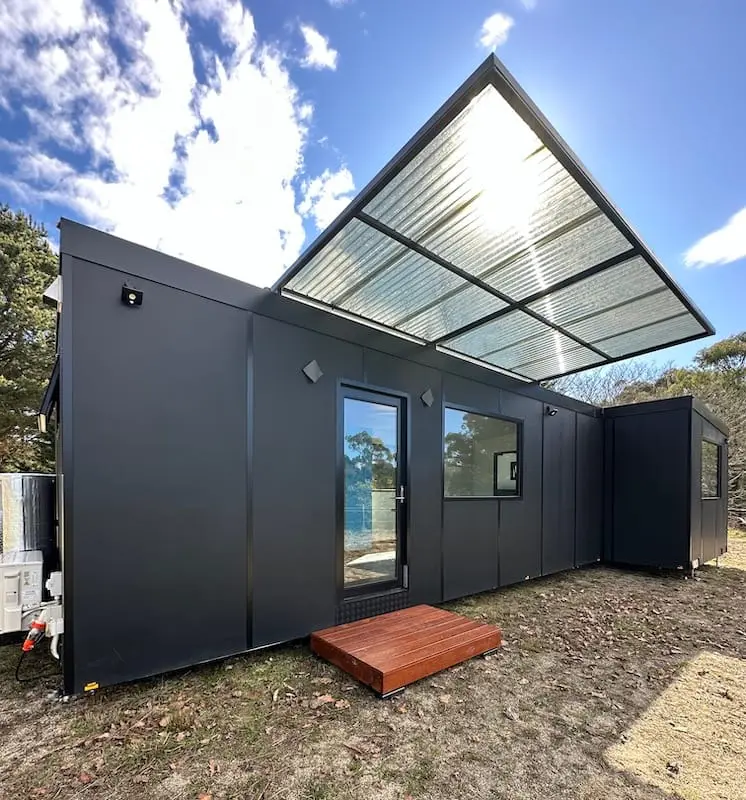
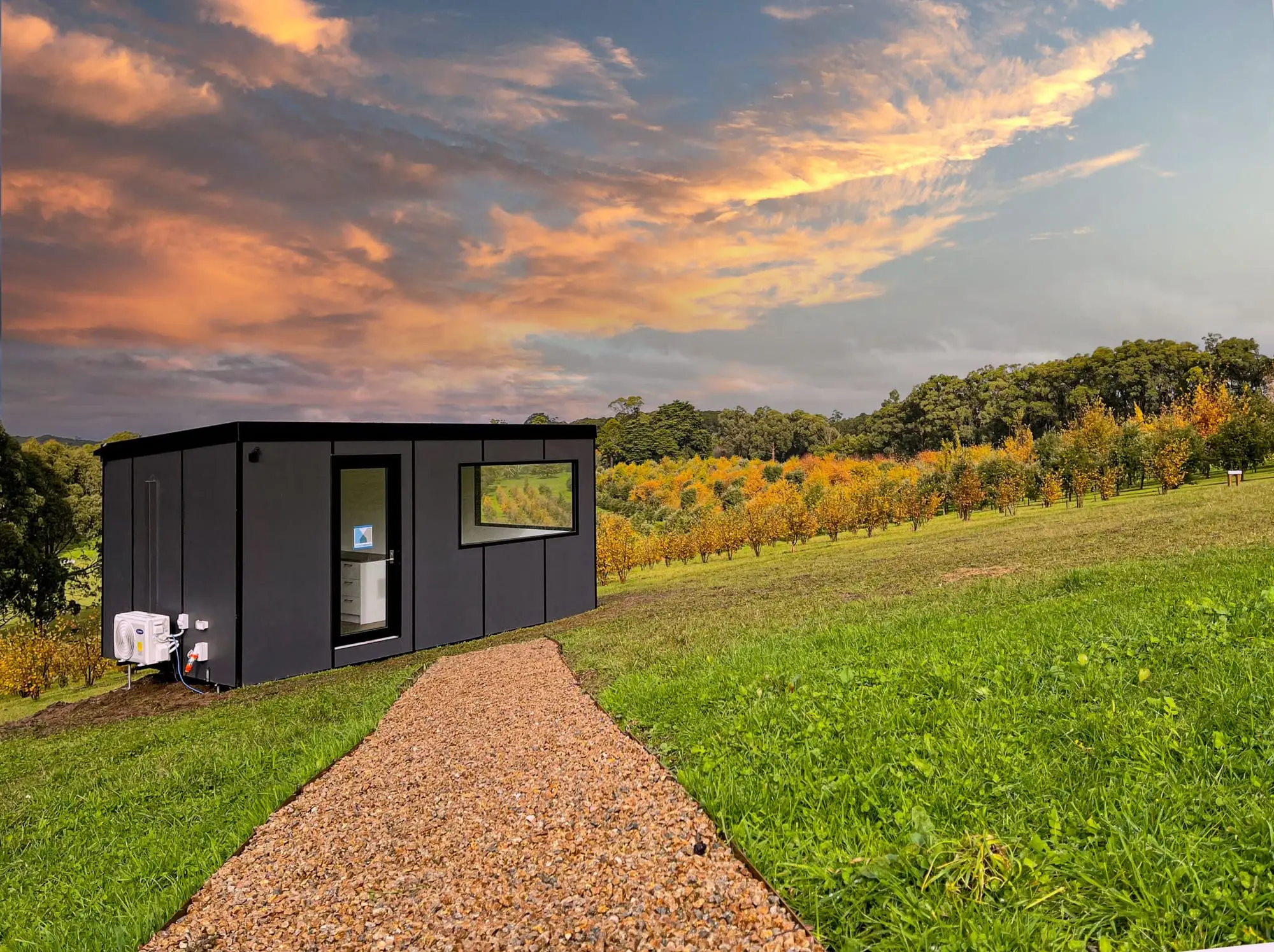
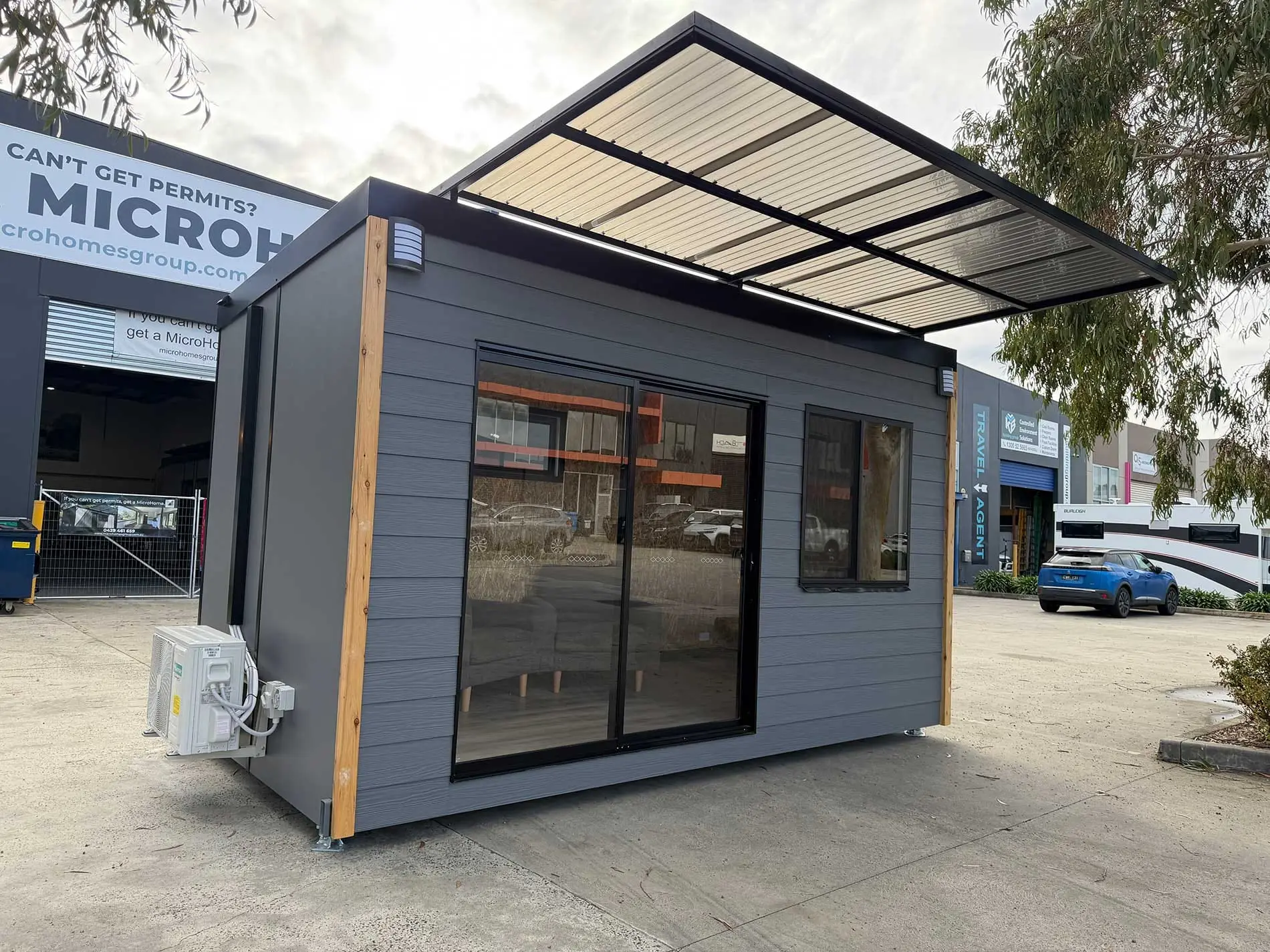
A MicroHome gives you all the comforts of a traditional home, except it’s on wheels and registered as a caravan (Victoria only), even though it’s 3.2m wide. MicroHomes Group has a special arrangement with VicRoads that allows us to register MicroHomes as a caravan. So if your council will allow you to stay in a caravan in your area, you can do the same in a MicroHome.
That is the whole mechanism, and it is also its limit. Being a caravan is often what lets a MicroHome avoid the building permit and development application a fixed house needs, though whether that holds depends on your council and zone and has to be confirmed for your property. The question of living in it full-time is governed by your local council's planning rules rather than by the home itself. And those rules vary.
Three questions, in this order.
Whether you can live in one full-time, where you want to, usually comes down to these. None of them is about the home. All of them are about the land and the council.
- 01
Is there already an approved house on the land?
Many councils treat a caravan more permissively when it sits secondary to an existing approved home — a household member out the back — than when it is the only dwelling on a vacant block. Being the sole, primary residence on a site is where people most often hit a wall, and it is the first thing to confirm with your council.
- 02
How are you connecting water, power and waste?
This is the step that catches people out. Even where a caravan sits outside the building-permit pathway, connecting to mains water and sewer can still need council approval, so confirm that step with your council early. Off-grid and self-contained set-ups change this equation — which is one reason we offer them.
How EasyConnect actually handles waste
- It does not permanently connect to your property’s sewer point. Waste water collects in the home’s own built-in tank and discharges through a flexible hose — exactly the way a luxury caravan does.
- The only difference is that you leave the hose connected and forget about it. The pump runs automatically, so there is nothing for anyone living there to empty, switch on or think about.
- The pump lifts waste water up to 8 metres. Your MicroHome can sit downhill from the house it connects to and the system still works — which is usually the part people assume rules their block out.
- 03
How long, and how often?
Some councils permit occupation of a caravan for limited periods only, and how long varies by council, so check what applies to yours. Ask your council specifically about full-time, permanent occupation rather than about occasional use — they are different questions, and the answer to one does not tell you the answer to the other.
Honestly, it depends which of these you are.
Three situations, three very different conversations with your council. Working out which one you're in is the most useful thing you can do before you spend anything.
In the backyard of an existing home
Placing a MicroHome behind a house that is already approved, for a family member, is often the most straightforward of the three — though it still depends on your council and zone, and you should confirm it before you order.
On vacant rural or coastal land, as your only home
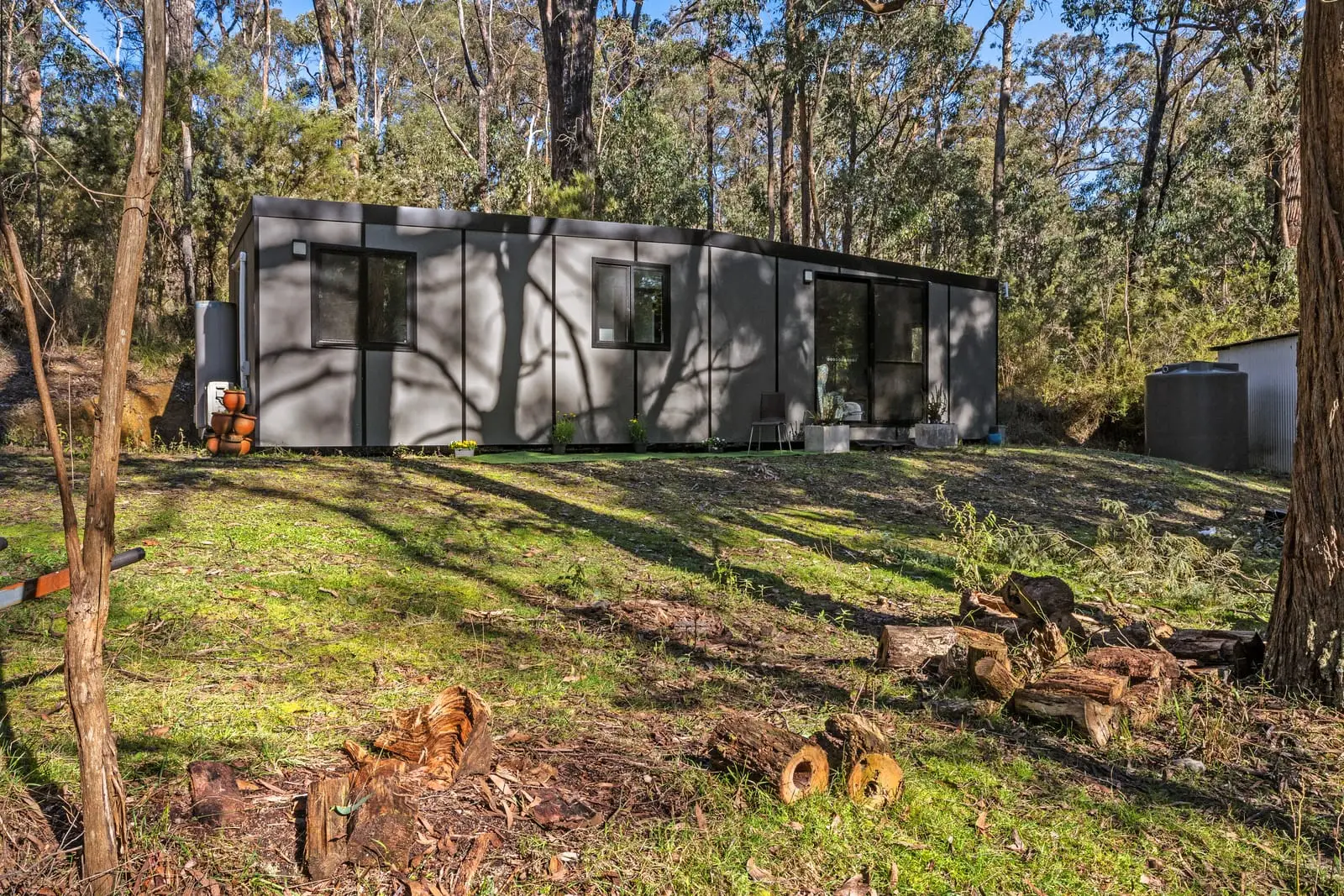
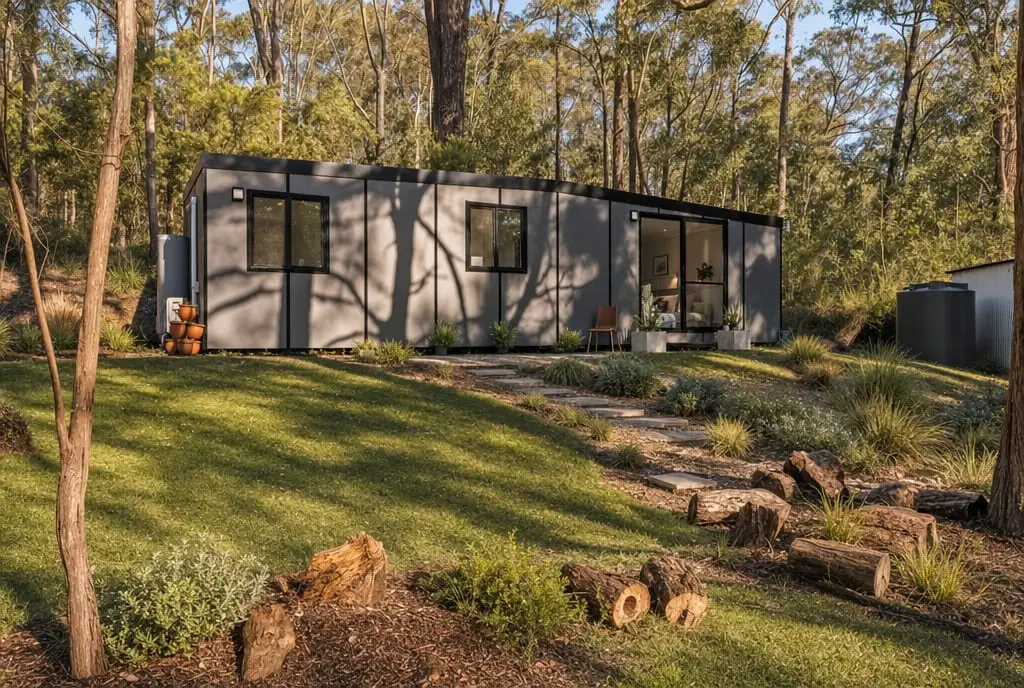
This is where it gets genuinely council-specific. Being the sole dwelling on a block is the situation that varies most between councils, and it is the one where you need real answers from yours before you spend money.
As a short-stay rental
Separate rules apply again. Short-term-rental legislation does not always cover caravans and movable dwellings the way it covers houses, so put this one to your local council directly; the state planning framework is binding law, and your local council decides your specific case within it.
Whichever one you're in, the answer comes from your council — not from us, and not from a builder's website. What we can do is tell you which conversation you're about to have, and hand you the questions that get a useful answer out of it.
We're not council, and we won't pretend the rules are simpler than they are.
- Tell you plainly which of the three situations above you're in.
- Give you the exact questions to ask your council, so you get a useful answer instead of a vague one.
- Offer off-grid and self-contained configurations that reduce the services-connection hurdle.
- Say no. If your plan won't work where you want it, we'll tell you before you spend money — that's the whole point of doing this honestly.
Next, depending on why you're asking.
Tiny home rules, state by state
A starting map of how the rules are structured in each state, and the checklist to take to your council.
How to choose a tiny home builder
The questions that separate a real builder from a website and a deposit account.
Bringing a parent closer
The backyard situation in full, and how it compares to building an extension.
Downsizing or making a tree change
The vacant-land situation, and what to sort out before you buy the block.
Looking at one as an investment
Where the approvals question meets the numbers on a second dwelling or a let.
About this page. General information only, last reviewed 2026-07-20. Planning rules for movable dwellings change over time, so nothing here is legal advice — the state planning framework is binding law, and your local council decides your specific case within it. Confirm the specifics for your property before you commit to anything.
Tell us about your block.
Send us the address and how you plan to use the home, and we'll tell you which situation you're in and exactly what to ask your council.
or call 0429 461 659