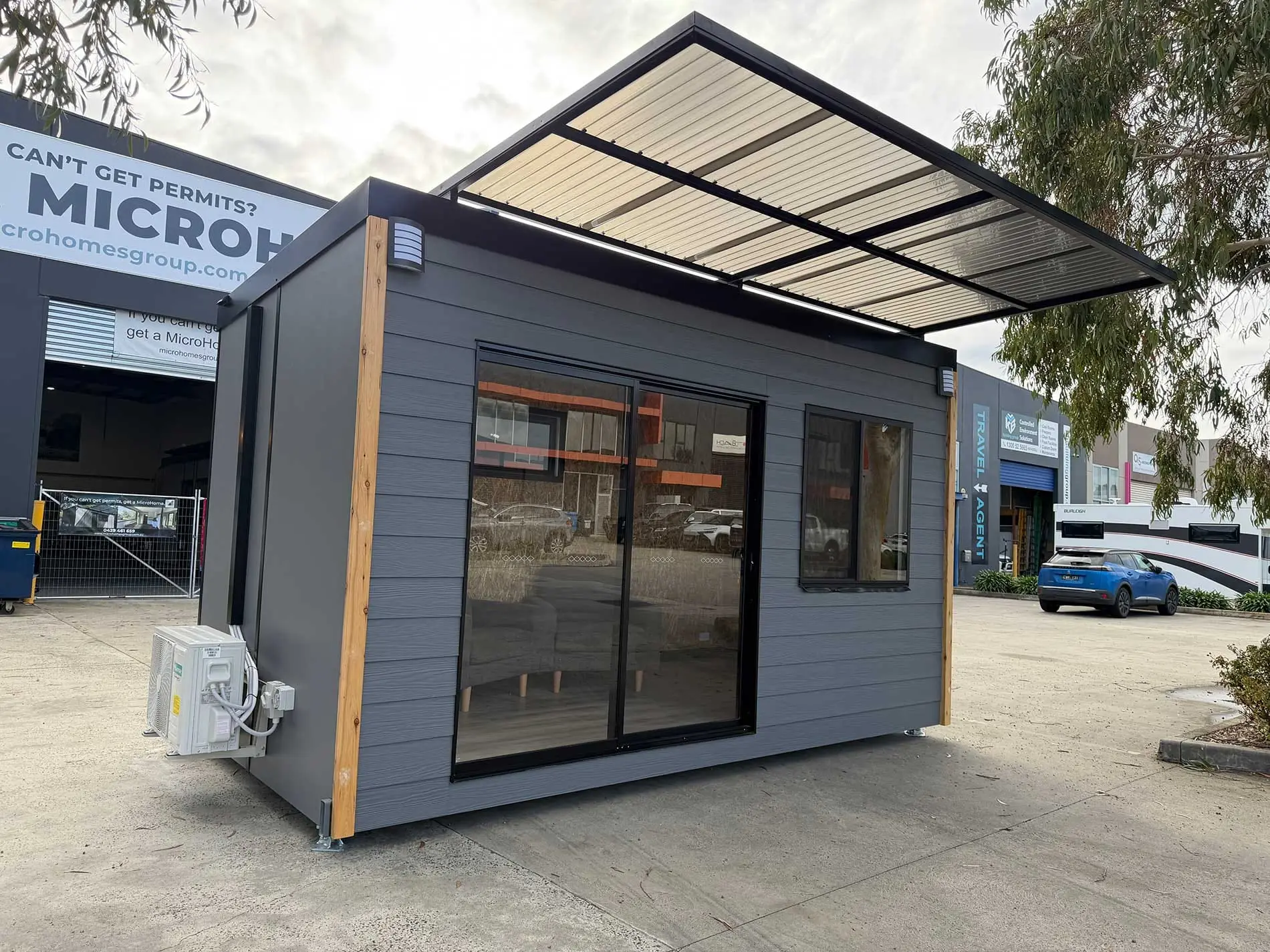
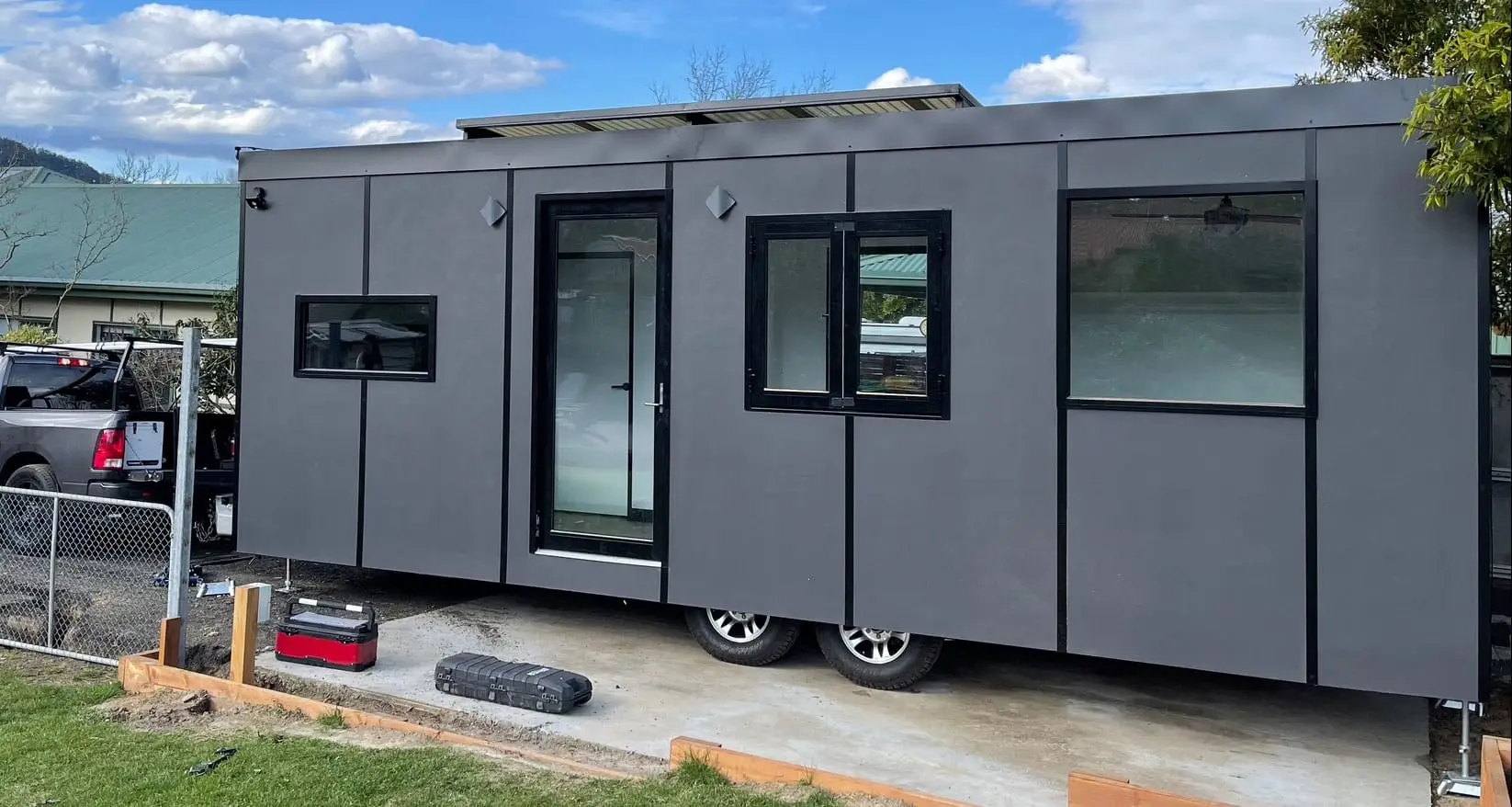
Caravan vs granny flat in Victoria: which pathway fits your property?
The short answer
A granny flat is a fixed small second dwelling that becomes part of the property and needs a building permit, which your council can confirm for your address. A caravan or movable home stays movable and is assessed under different planning and local-law rules. The better option depends on your use, site controls, permanence, budget and council position.
Last updated 3 October 2026
The two options can look similar from the kitchen table: a self-contained place for a parent, an adult child, a tenant or a guest. Legally and financially, they are different products.
Side-by-side comparison
| Factor | Fixed granny flat / small second dwelling | Registered caravan / movable home |
|---|---|---|
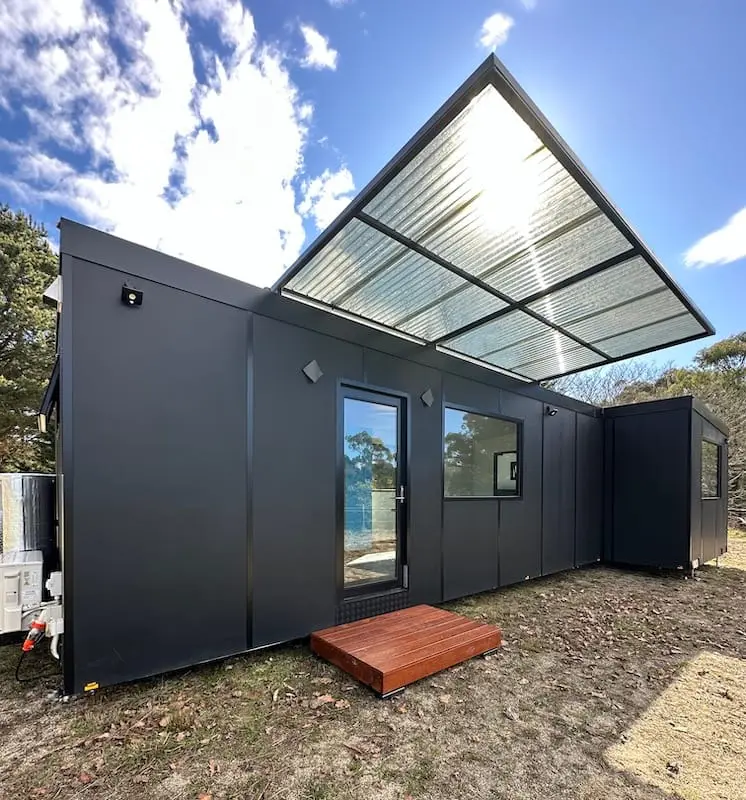
| Connection to land | A permanent building and part of the property, so it has to meet building standards such as the NCC 2022. | Each Urban home, or each module of the Urban Modular, is built as one complete, registered structure that never becomes part of the land. |
| Planning pathway | Often no planning permit for qualifying Victorian small second homes, unless special controls apply — your council and zone confirm this. | Your council assesses the proposed use under the planning scheme and relevant local law. |
| Building pathway | A building permit is required, and your council or a registered building surveyor can confirm what applies to your site. | Building requirements may still apply to decks, services, footings or other works, so get advice. |
| Occupation | A qualifying small second home can be occupied or rented, subject to housing and tenancy rules. | Who can stay and for how long depends on your council and the circumstances. |
| Value and exit | May add to the property as a permanent improvement, but is generally sold together with the land unless the property is subdivided, which your council decides. | Can potentially be moved or sold separately, subject to transport and future-site requirements. |
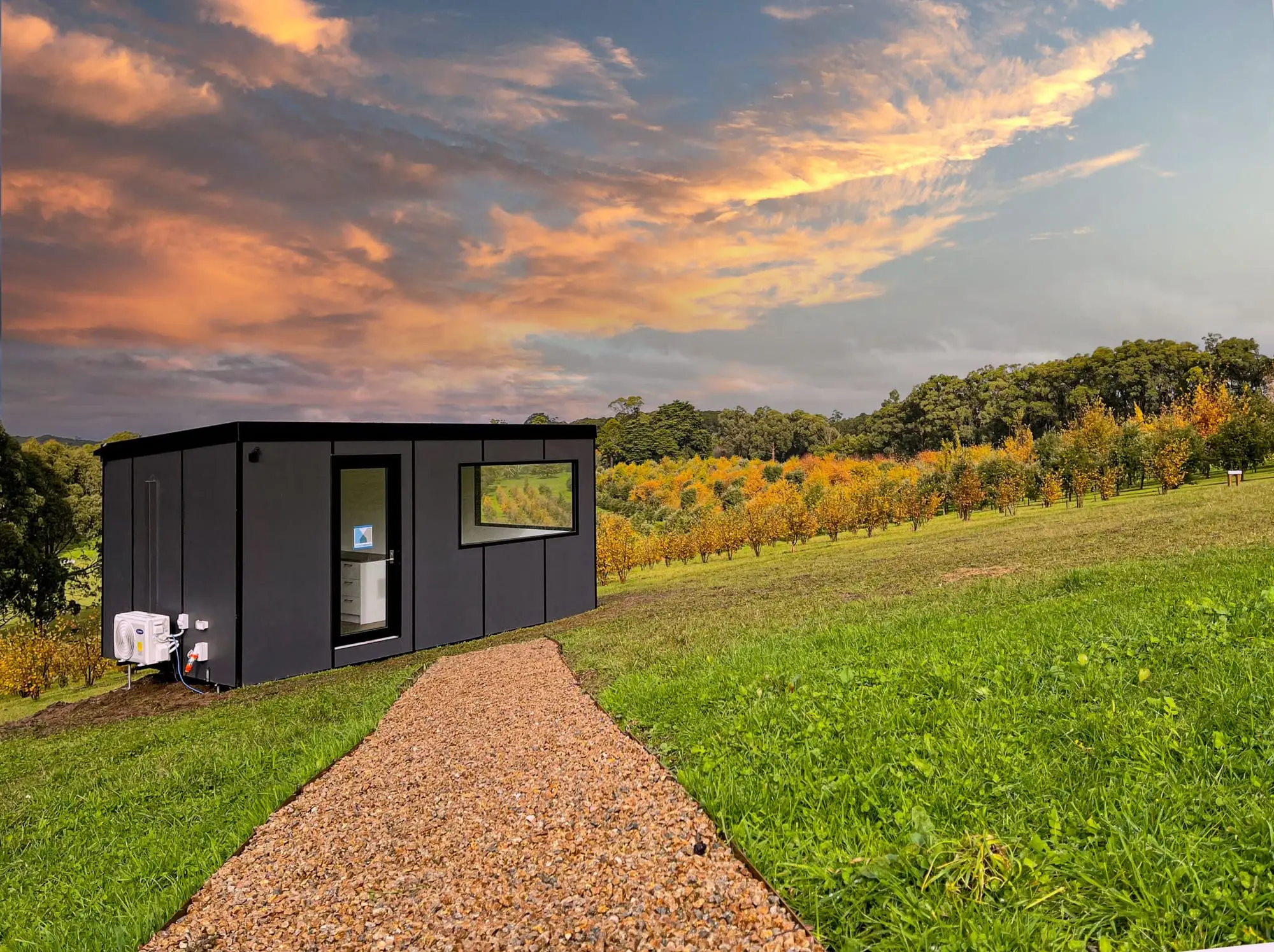
| Delivery and site | Constructed or assembled as a building project. | Delivered to the site; the route, width, ground and final placement have to work. |
| Services | Permanent service design and approvals. | Connected or off-grid systems still need lawful, safe design and installation. Our EasyConnect waste system discharges the way a caravan does — where your council allows a caravan to stay. |
When a fixed small second dwelling may suit
- You want a permanent improvement to the property.
- The site can meet the building, siting and overlay requirements.
- You prefer a conventional construction and valuation pathway.
- Separate resale or relocation isn’t important to you.
When a movable home may suit
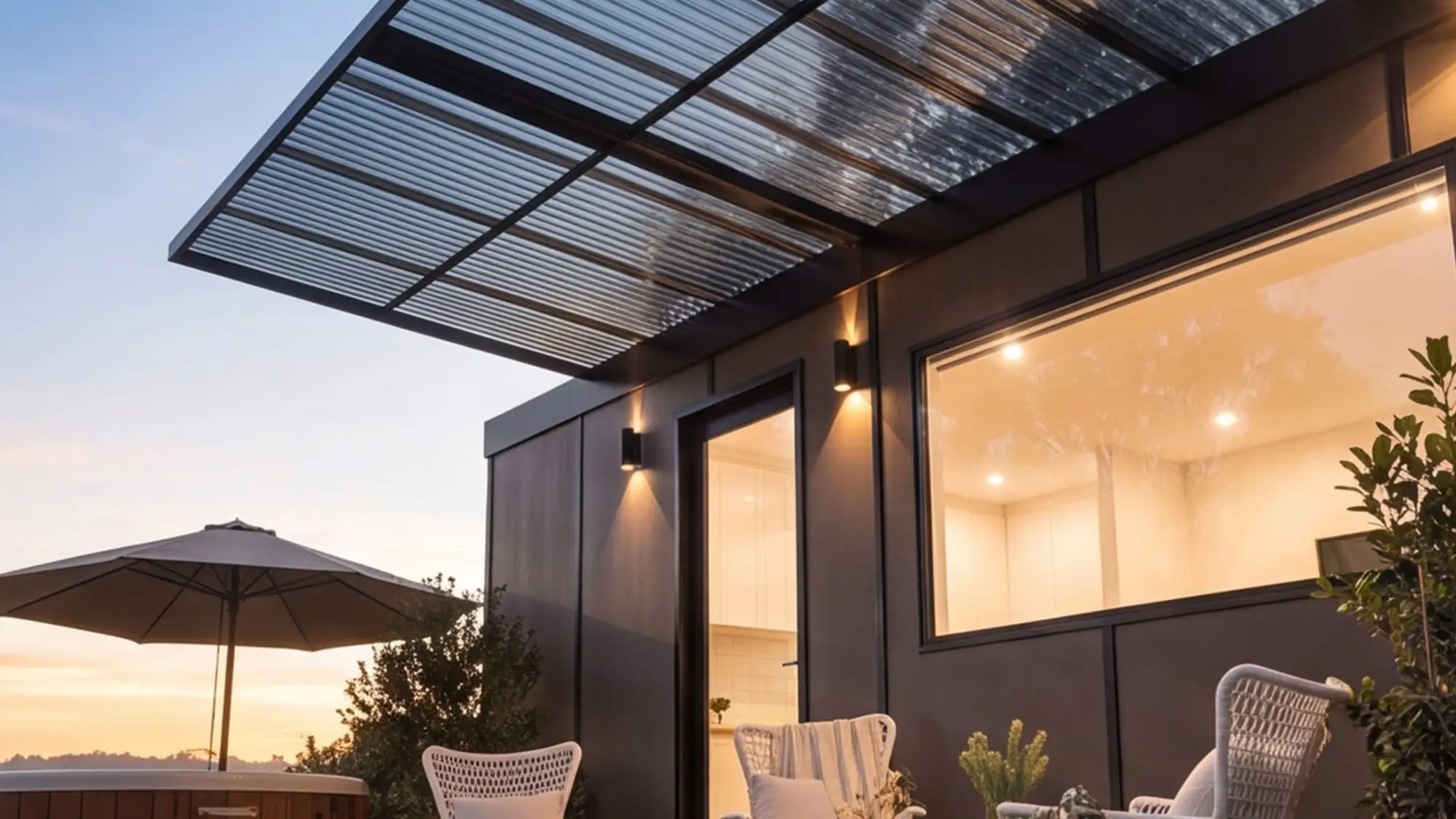
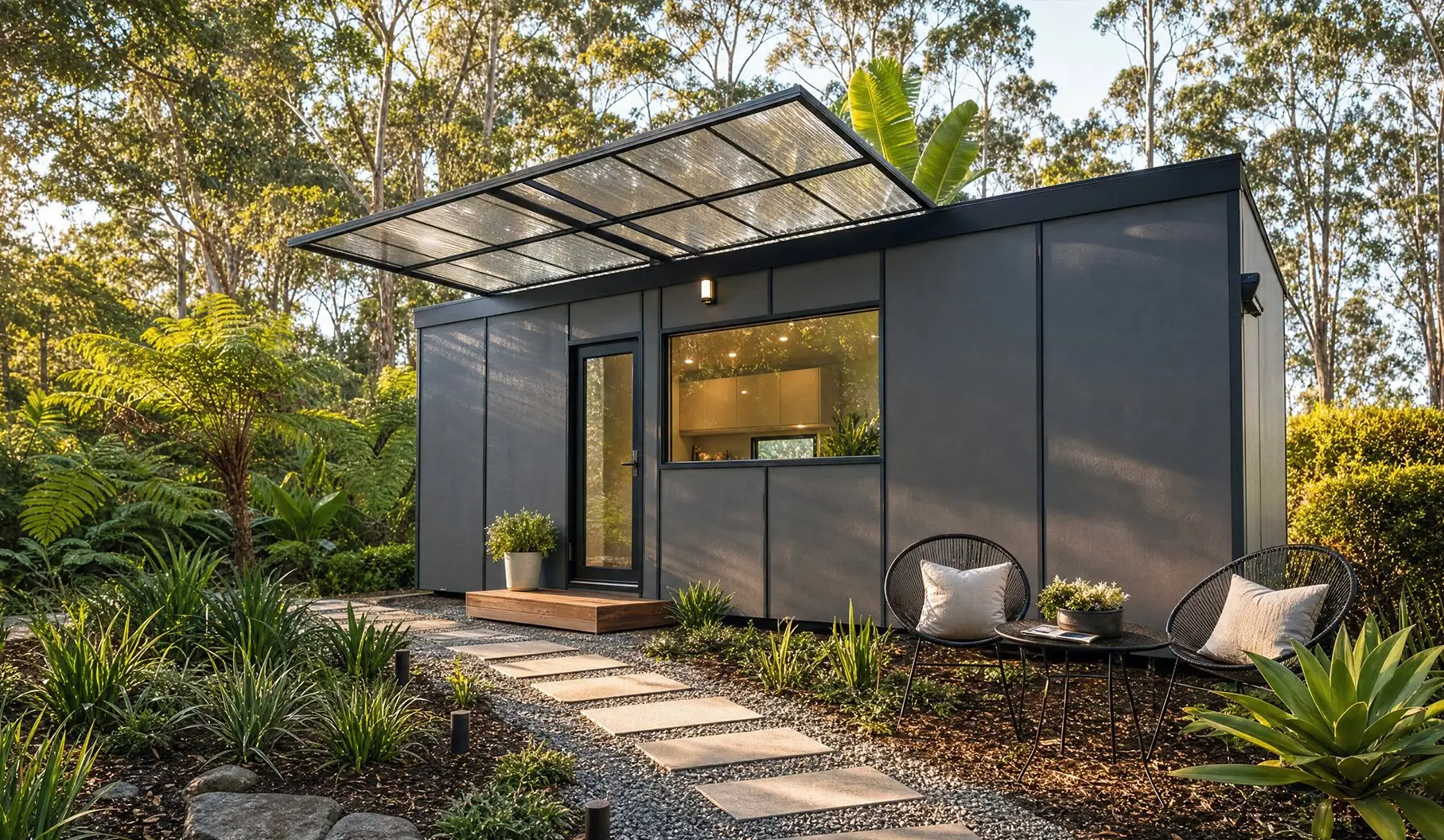
- You value the option to relocate or sell the home separately.
- Factory construction and a defined build process suit the project.
- The delivery route and final position are practical.
- Your council confirms that the intended use is acceptable at your address.
The approval question is different, not absent
Victoria’s small-second-home rules apply to a defined fixed-dwelling pathway. Caravan and movable-dwelling questions can involve planning schemes, local laws, how long a home stays and site works, all of which vary by council. Avoid comparing the options as “permit” versus “no permit”; compare the actual steps for your property.
MicroHomes Group has a special arrangement with VicRoads that allows us to register MicroHomes as a caravan (Victoria only), which is covered in our Victorian council rules guide. How long you can stay, and whether it can be your only home, are decided by your council and your zone.
Five numbers to compare
- Home or building price.
- Design, permit and professional fees.
- Delivery, access and installation.
- Site works and services.
- Future relocation, sale or property-value implications, which are worth discussing with an independent adviser.
Once those numbers and your council’s position are visible, the trade-off is usually clearer: permanence and integration with the land on one side, factory delivery and asset flexibility on the other.
Before you rely on any of this: planning and building rules vary by property and change over time. This is general information, not legal, planning or financial advice; confirm the specifics for your situation with your council and a registered building surveyor.