How people pay for a tiny home in Australia
The short answer
Here’s the thing nobody tells you upfront: you usually can’t get a standard home loan for a tiny home on wheels — that’s general information about how lenders commonly treat the category rather than financial advice, and it’s worth confirming with your own broker or adviser.
That’s not a dealbreaker, but you’d rather know it before you fall in love with one than find out after you’ve committed.
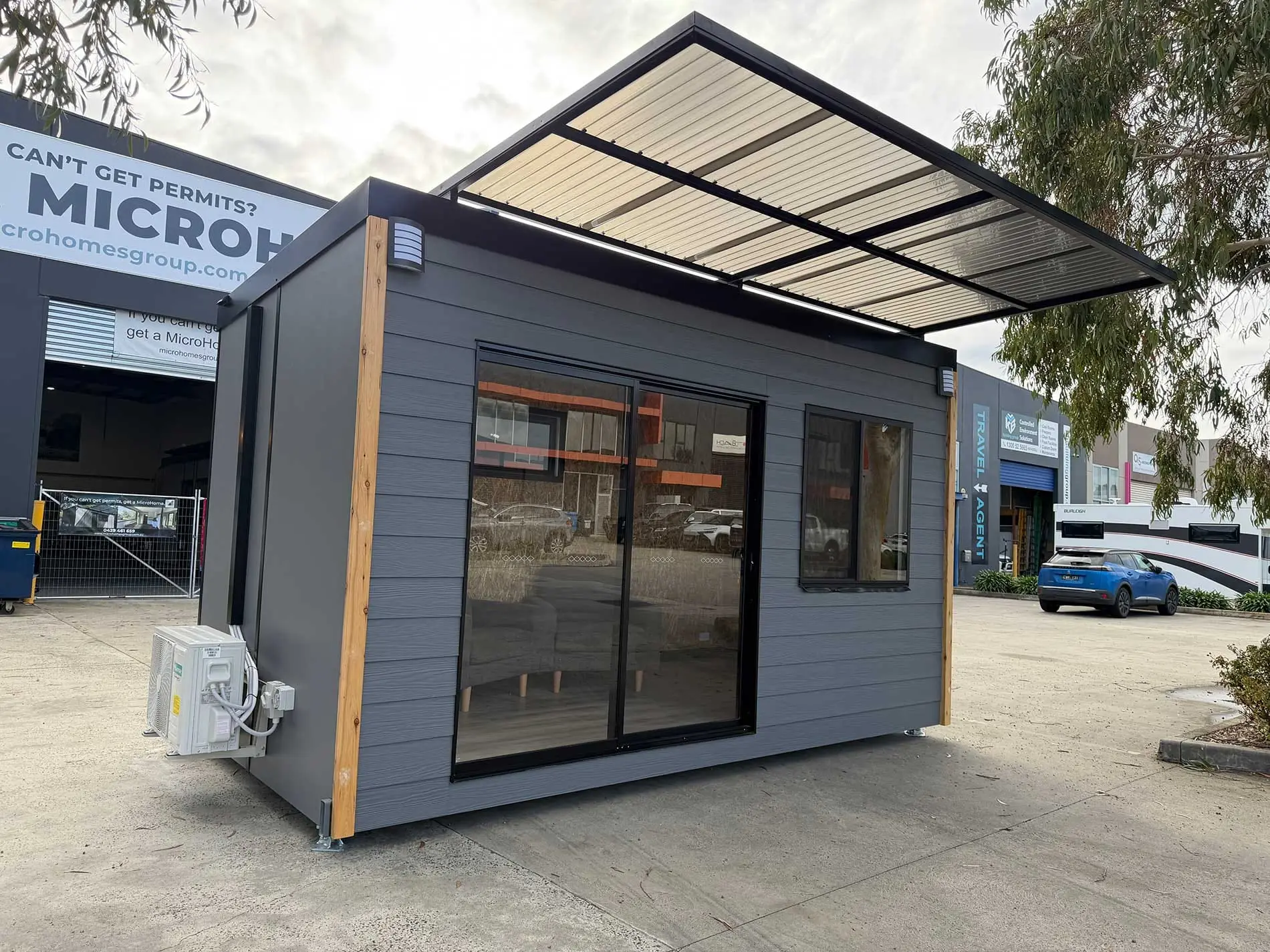
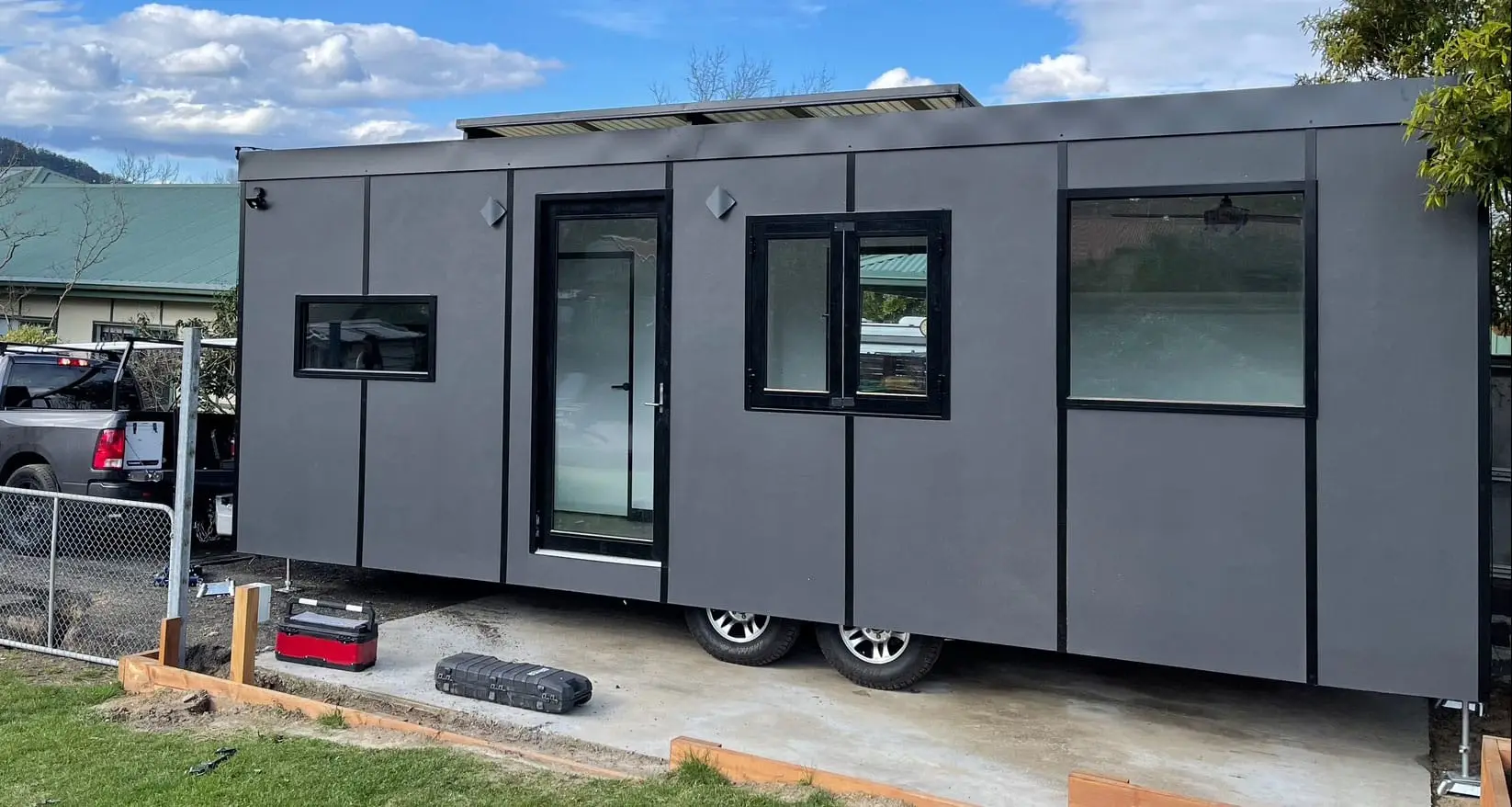
The reason is classification. A tiny home on wheels is legally a registered caravan — in most states treated closer to a caravan than a house, though this varies and a few states treat it differently. A mortgage is generally secured against land and the building fixed to it, and a home that can be towed away isn’t that, which is why most banks won’t write one against it — general information only, and how any particular lender treats it is a question for them and for an independent financial adviser.
It’s the same classification that shapes the planning question, which we cover separately and honestly. Nothing on this page is financial advice — it’s general information about what other buyers do, and the right version for you comes from your own adviser.
Three routes people take, in rough order of how common they are.
General information about what other buyers have done — not a recommendation, and not a ranking of what's best for you. Which of these fits is a question for your own financial adviser.
- 01
Savings, or the proceeds of downsizing
The most common route by a distance, especially for buyers selling a larger home and deliberately not replacing the mortgage. Whether it suits you depends on your circumstances and is worth putting to your own financial adviser rather than settling from a builder’s website.
- 02
Personal, caravan or leisure finance
These products do exist for movable dwellings, and are generally offered on higher rates and shorter terms than a mortgage — that is general information rather than advice, and the actual terms available to you are a question for the lender and an independent financial adviser.
- 03
Equity in a property you already own
Some owners draw on an existing home loan secured against a property they already have, rather than borrowing against the MicroHome itself. Whether that is available or sensible for you depends entirely on your own position, so take it to your lender and your financial adviser before you count on it.
We’ve deliberately not put a fourth option on this list. We don’t arrange finance, we don’t introduce you to lenders, and we’re not going to pretend a referral is a service just to keep you on the page.
No mortgage isn’t the same as no way to pay for it.
Even without a mortgage, the total-cost picture often favours the tiny home — there’s no land to buy, the upfront cost is lower, and the ongoing overheads are smaller than a house’s. How much of that holds for you depends on your own numbers and is worth checking with an independent financial adviser rather than taking from us.
For a lot of buyers the money freed up by not carrying a mortgage is the entire point of the exercise — though whether that trade works in your circumstances varies enough that it’s a conversation for your accountant or financial adviser, not a conclusion we can reach for you.
There is a real downside on the other side of that ledger, and we’d rather name it: a home on wheels doesn’t add to your property’s value the way a fixed build does. We’ve set that out properly in the granny flat comparison instead of burying it here.
What we’ll do, and what we won’t pretend to do.
What we’ll do
- Give you a written, itemised build cost — what’s included, what isn’t, and what siteworks and delivery are likely to add for your block.
- Put it in a form you can hand to whoever you choose to talk to — a lender, a broker or your accountant. Who that is, and whether you approach them at all, is your call.
- Explain plainly how the home is classified, so you can describe it accurately when someone asks you what exactly they’d be lending against.
What we won’t do
- Arrange, broker, approve or guarantee finance. We build homes — we’re not licensed to do any of that and we won’t imply otherwise.
- Give you financial or tax advice, or tell you what you can borrow. That comes from someone independent and licensed to give it.
- Quote you a rate, a repayment or a likelihood of approval. Any number we invented there would carry a builder’s authority and none of a lender’s accountability.
What to look at next.
Run the investor numbers
The arithmetic framework, with your figures in it rather than ours.
Tiny home vs granny flat
Including the row where the granny flat wins — the property value one.
The honest answer on approvals
The same classification, seen from the planning side instead of the lending side.
How to choose a builder
Where your deposit sits and how payments are staged — the other half of the money question.
About this page. General information only, last reviewed 2026-07-21. Nothing here is financial, tax, credit or legal advice, and nothing here is an offer of finance — we do not arrange, broker, approve or guarantee lending of any kind. Lending products, terms and eligibility vary between providers and change over time, so get independent financial advice and speak to the lender directly before you commit to anything.
Get the build costs in writing.
Tell us the model and your block, and we'll send back an itemised build cost with siteworks and delivery separated out. What you do with it, and who you take it to, is entirely between you and your own adviser.
or call 0429 461 659