Granny flat permit refused in Victoria: practical next steps
The short answer
If a granny-flat or small-second-dwelling proposal is refused, get the reasons in writing before changing direction. The issue may be the site, an overlay, the design, access, services or the application evidence. Discuss amendment or review options with your council or a planning adviser, then compare any alternative pathway on its own legal requirements.
Last updated 3 October 2026
A refusal is frustrating, but it is also specific information. Treat it as a diagnosis. A different design may solve the problem, a different location may avoid the constraint, or the intended use may need another pathway entirely.
First: identify exactly what was refused
- Check which approval your council refused: a planning permit, a building permit, a report-and-consent request or something else?
- Was the proposal assessed as a small second dwelling of 60m² or less?
- Which zone, overlay, siting standard or policy formed the reason?
- Was the refusal about the use, the building design, site constraints or missing information?
- Is there a deadline for amendment, review or appeal?
Get the reasons in writing, and note any deadline straight away, because review rights can be time-limited.
Common categories of concern
| Concern | What to investigate |
|---|---|
| Flooding or environmental overlay | Whether a different location, floor level, report or design response can satisfy the control. |
| Bushfire risk | The required BAL, access, water supply, defendable space, and whether the proposed position can comply. |
| Siting and amenity | Setbacks, overlooking, private open space, street access and effects on neighbours. |
| Services and drainage | Wastewater capacity, stormwater, utility connections and easements. |
| Title or covenant | Restrictions that sit outside the ordinary planning pathway. |
| Application evidence | Plans, surveys or reports that were incomplete or inconsistent. |
Then choose the next step
- Ask the assessing officer to explain the reasons and the most realistic changes.
- Have a qualified planner, surveyor or designer review the decision if the issue is complex.
- Test whether a revised fixed dwelling can meet the requirements.
- If you are considering a movable home, start a new conversation with your council about that proposal and how it would be occupied.
- Compare total cost, timing, permanence and exit options before choosing the new path.
A movable home is an alternative, not a loophole
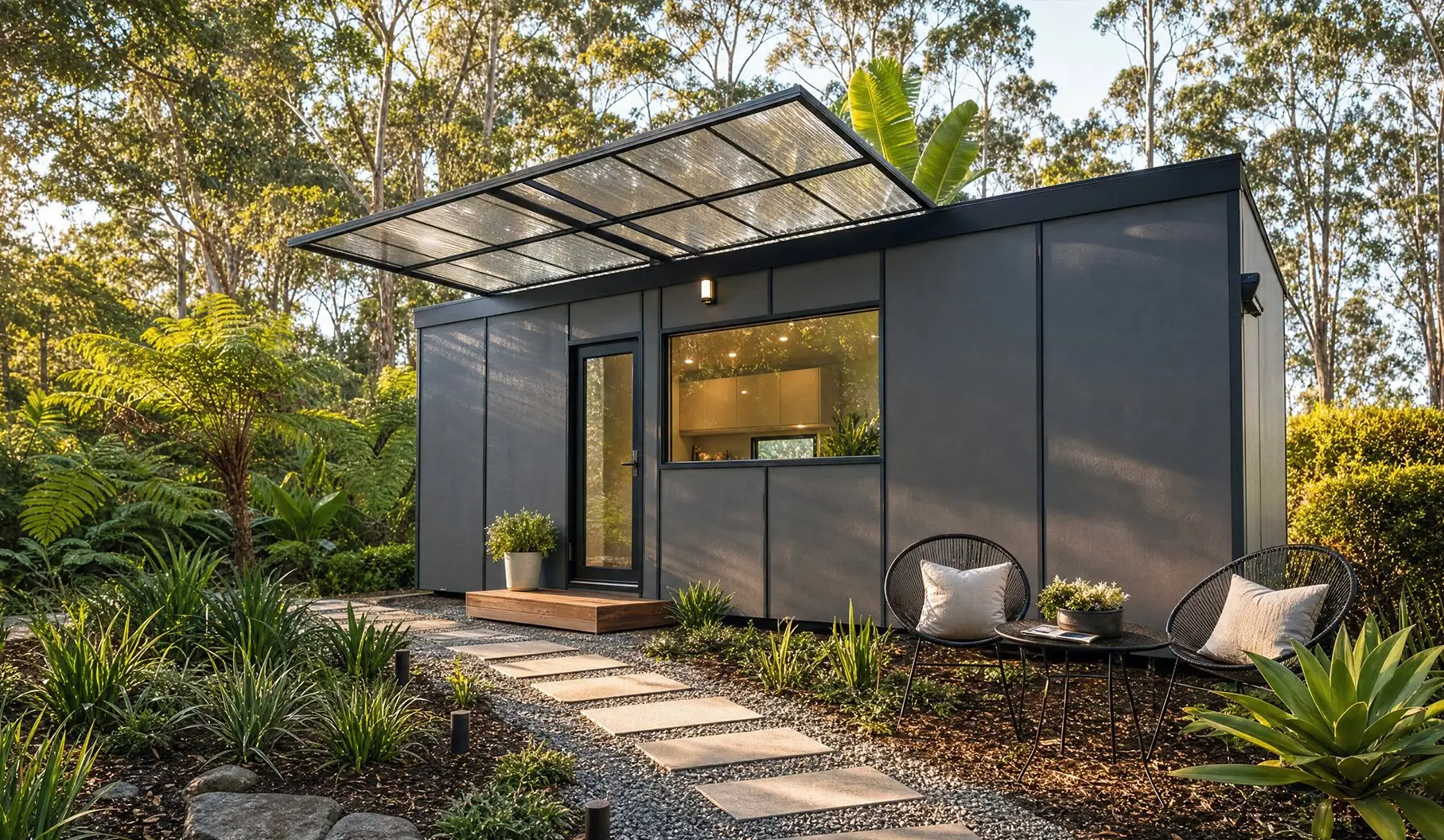
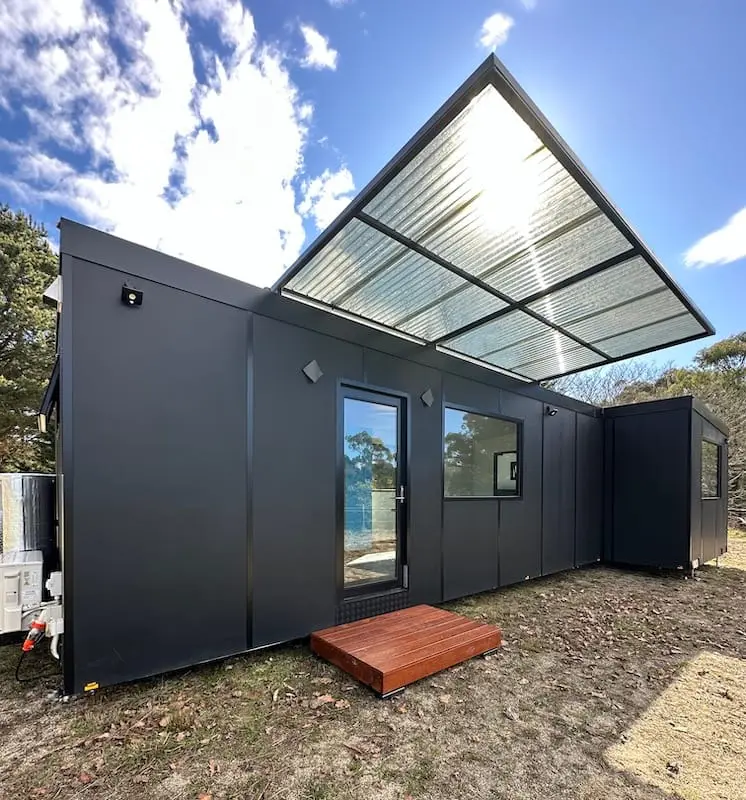
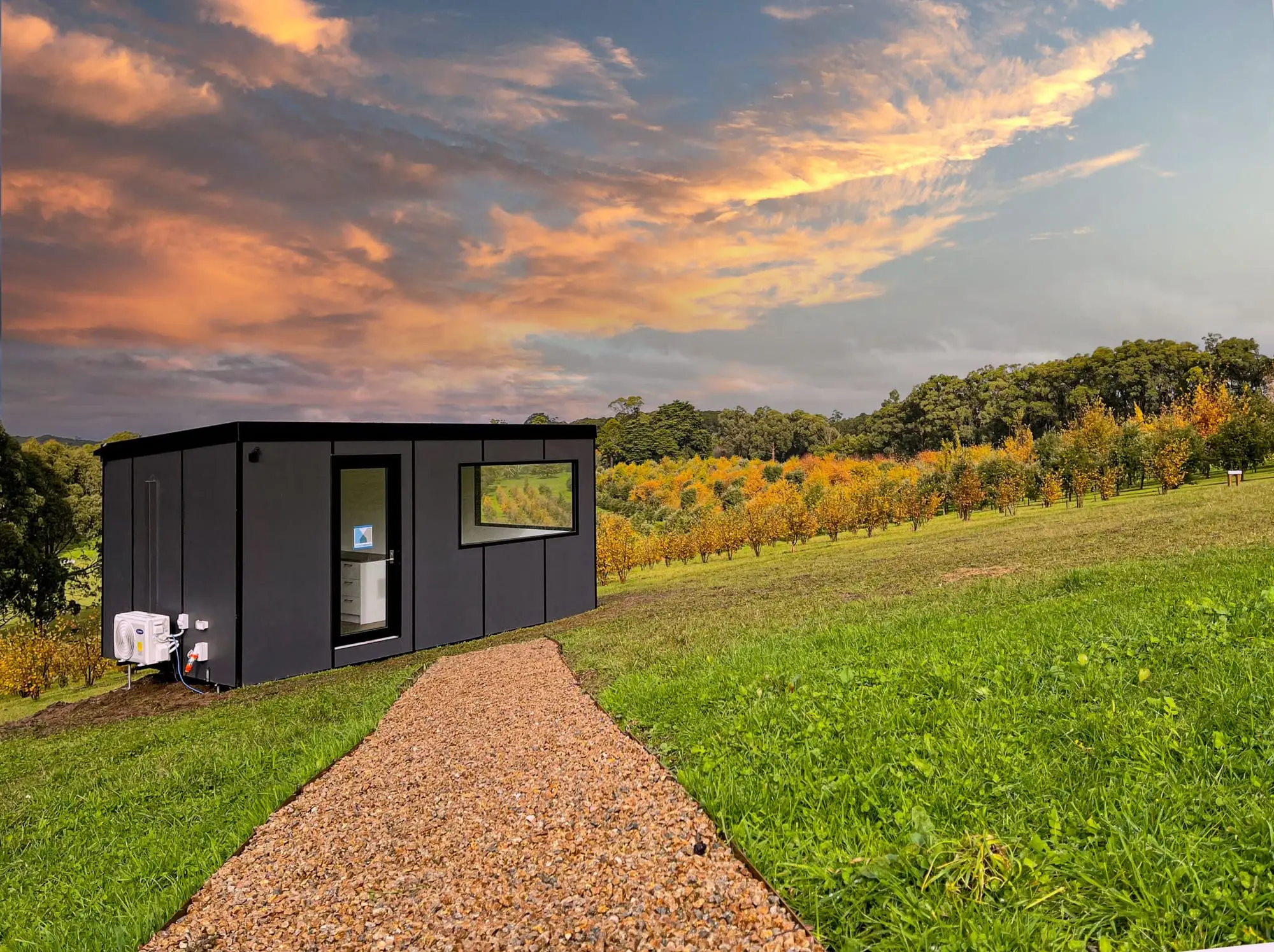
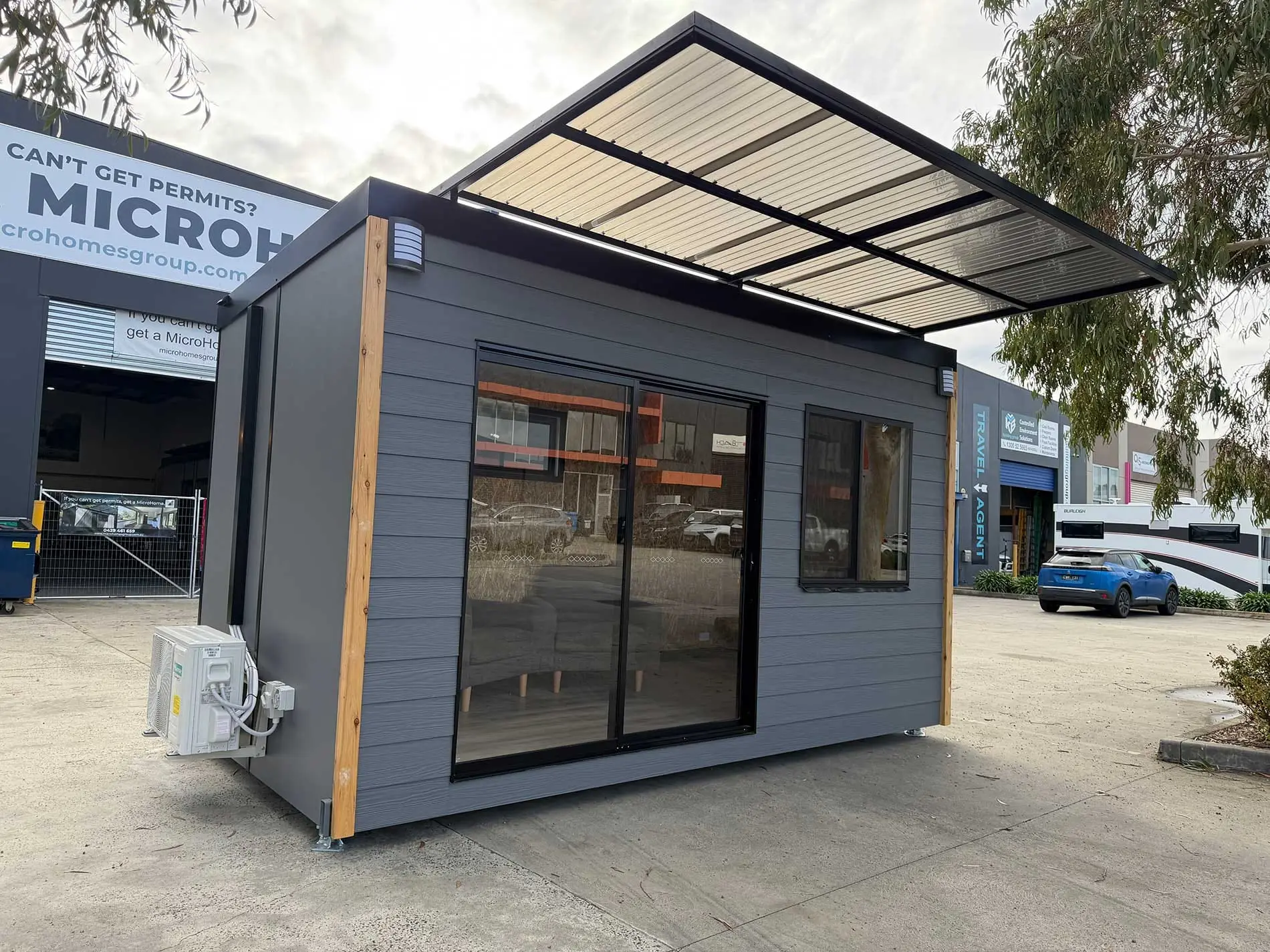
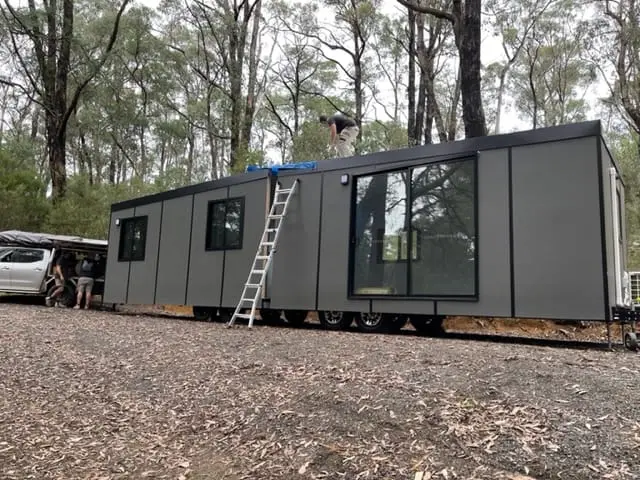
Each Urban home, and each module of the Urban Modular, is built as one complete, registered structure that never becomes part of the land, and in Victoria we register it as a caravan under our arrangement with VicRoads. That can change the planning and building questions compared with a fixed granny flat, but it does not erase your council’s rules. How long a caravan can stay, how it can be used, services, decks and local laws may all still matter, and your council confirms how a specific movable proposal is treated at your address.
The reason for a refusal is also worth understanding on its own terms. If the constraint is the land itself, such as flooding, bushfire or an easement, a different type of home may face the same constraint.
What to send us
If you want to explore a MicroHome, send the decision notice, the property address, your intended use, your preferred location, photos and access measurements. We can explain the product, delivery and what has mattered on comparable projects. Your council or a qualified adviser must give the formal planning answer, and we don’t contact councils on your behalf.
Before you rely on any of this: planning rules, overlays and review rights vary by property and change over time. This is general information, not legal or planning advice; confirm the specifics for your situation with your council or a qualified planning adviser.